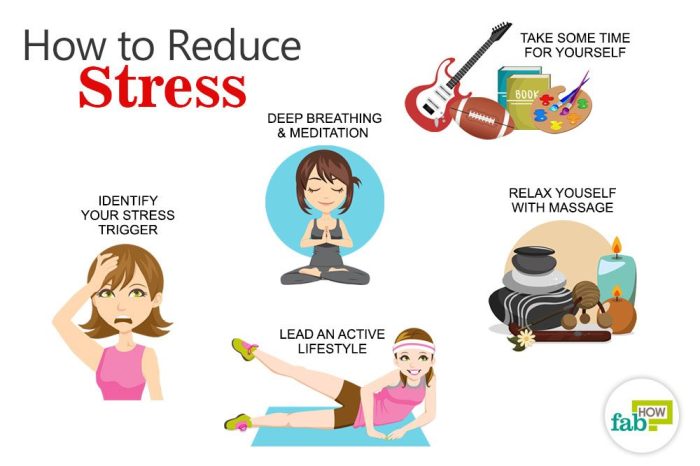
Strategies for reducing stress in a healthy lifestyle encompass various aspects like diet, mental wellness, physical fitness, hydration, and more, all geared towards enhancing overall well-being and minimizing stress levels. By exploring these strategies, individuals can cultivate a healthier and more balanced lifestyle that promotes both physical and mental health.
Balanced Diet
Eating a balanced diet plays a crucial role in reducing stress levels and promoting overall well-being. When we nourish our bodies with the right nutrients, we are better equipped to handle the challenges and pressures of everyday life.
Nutrient-Rich Foods for Stress Management
- Fatty Fish: Rich in omega-3 fatty acids, which have been linked to reduced anxiety and improved mood.
- Avocados: Contain healthy fats and potassium, which can help lower blood pressure and reduce stress.
- Dark Chocolate: Contains antioxidants that can lower stress hormones in the body.
- Leafy Greens: High in magnesium, a mineral that helps regulate cortisol levels and promote relaxation.
- Berries: Packed with vitamin C, which has been shown to reduce stress and boost the immune system.
Food Choices and Mental Wellness
Eating a diet rich in whole foods, such as fruits, vegetables, whole grains, and lean proteins, can have a significant impact on our mental health. Processed and sugary foods have been linked to increased stress, anxiety, and mood swings. By making mindful food choices, we can support our mental wellness and better cope with stressors in our lives.
Mental Wellness
Maintaining mental wellness is crucial for leading a healthy lifestyle as it directly impacts our overall well-being. A healthy mind contributes to better decision-making, improved relationships, and effective stress management.
Strategies for Improving Mental Wellness
- Practice relaxation techniques such as deep breathing, meditation, or yoga to calm the mind and reduce stress levels.
- Engage in regular physical activity as exercise releases endorphins, which are known to improve mood and reduce anxiety.
- Ensure an adequate amount of sleep each night as sleep deprivation can negatively affect mental health.
- Connect with others by maintaining strong social relationships and seeking support when needed.
- Set realistic goals and priorities to avoid feeling overwhelmed and maintain a sense of control.
Role of Mindfulness and Emotional Balance
Mindfulness involves being fully present in the moment and accepting one’s thoughts and feelings without judgment. This practice can help individuals manage stress by increasing self-awareness and promoting a sense of calmness.
Emotional balance refers to the ability to regulate emotions effectively, avoiding extremes like excessive worry or anger. By cultivating emotional balance, individuals can respond to stressors in a more constructive manner, reducing the impact of stress on their mental well-being.
Physical Fitness
Regular physical activity plays a crucial role in reducing stress and improving overall well-being. Exercise has been proven to release endorphins, the body’s natural stress relievers, and reduce levels of cortisol, the stress hormone. It also helps in improving sleep quality, boosting mood, and increasing energy levels.
Examples of Stress-Relieving Exercises
- 1. Aerobic Exercises: Activities like running, cycling, or dancing can help increase heart rate and release endorphins.
- 2. Yoga: Practicing yoga can help calm the mind, reduce muscle tension, and promote relaxation.
- 3. Strength Training: Lifting weights or doing bodyweight exercises can improve mood and reduce anxiety levels.
Benefits of Regular Exercise
Regular exercise not only helps in reducing stress but also has numerous other benefits on overall well-being. It can improve cardiovascular health, increase muscle strength and endurance, boost immunity, and enhance mental clarity. Additionally, incorporating physical activity into your daily routine can lead to better self-esteem, increased productivity, and a stronger sense of well-being.
Adequate Hydration
Staying hydrated is crucial for managing stress levels and maintaining overall health. Dehydration can exacerbate feelings of stress and anxiety, impacting both mental and physical well-being.
Importance of Hydration for Stress Management
Proper hydration plays a vital role in regulating bodily functions and supporting cognitive function. When the body is dehydrated, it can lead to increased levels of cortisol, the stress hormone, resulting in heightened feelings of stress and tension.
- Drink plenty of water throughout the day to maintain optimal hydration levels.
- Include hydrating foods such as fruits and vegetables in your diet.
- Avoid excessive consumption of caffeinated or alcoholic beverages, as they can contribute to dehydration.
- Carry a reusable water bottle with you to ensure easy access to water at all times.
Impact of Dehydration on Stress Levels
Dehydration can manifest in symptoms such as fatigue, headaches, and irritability, which can exacerbate feelings of stress and anxiety. Inadequate hydration can also impair cognitive function and affect mood regulation, making it essential to prioritize water intake for stress management.
Regular Exercise: Strategies For Reducing Stress In A Healthy Lifestyle
Regular exercise plays a crucial role in maintaining a healthy lifestyle and reducing stress levels. Physical activity not only helps in improving physical health but also has a direct impact on mental well-being.
Types of Exercises for Stress Relief
- Cardiovascular Exercises: Activities like running, cycling, or swimming help in releasing endorphins, which are known as the ‘feel-good’ hormones.
- Yoga: Combining physical postures, breathing techniques, and meditation, yoga helps in reducing stress and promoting relaxation.
- Strength Training: Lifting weights or using resistance bands can help in improving mood and reducing anxiety levels.
Workout Routine for Stress Reduction
Here is a simple workout routine that can aid in stress reduction:
- Warm-up: Start with 5-10 minutes of light cardio to prepare your body for exercise.
- Cardio: Perform 20-30 minutes of cardiovascular exercise such as brisk walking, jogging, or dancing.
- Strength Training: Incorporate 20-30 minutes of strength training exercises focusing on major muscle groups.
- Cool Down: Finish with 5-10 minutes of stretching to help relax the muscles and reduce tension.
Healthy Lifestyle
Living a healthy lifestyle involves making conscious choices that benefit your overall well-being, including physical, mental, and emotional health. This encompasses aspects such as diet, exercise, sleep, stress management, and social connections. Adopting a healthy lifestyle can play a crucial role in reducing stress levels and improving your quality of life.
Habits and Practices for a Healthy Lifestyle
- Eating a balanced diet rich in fruits, vegetables, whole grains, lean proteins, and healthy fats.
- Engaging in regular physical activity, such as cardio, strength training, yoga, or any form of exercise you enjoy.
- Prioritizing adequate sleep to allow your body and mind to rest and rejuvenate.
- Practicing stress-reducing techniques like mindfulness, meditation, deep breathing, or journaling.
- Cultivating strong social connections and spending time with loved ones for emotional support.
Impact of Healthy Lifestyle on Stress Levels
Adopting a healthy lifestyle can have a profound positive impact on stress levels. When you take care of your body and mind through nutritious food, exercise, quality sleep, and stress management techniques, you build resilience against the negative effects of stress.
Physical activity releases endorphins, also known as “feel-good” hormones, which can help reduce feelings of anxiety and stress. A well-balanced diet provides essential nutrients that support brain function and mood regulation. Quality sleep is crucial for cognitive function and emotional well-being.
By incorporating these habits into your daily routine, you create a strong foundation for managing stress effectively and promoting overall wellness.
Nutrient-Rich
Consuming a diet rich in nutrients is crucial for managing stress effectively. Nutrient-rich foods provide the body with essential vitamins, minerals, and antioxidants that support overall well-being and help combat the negative effects of stress.
List of Nutrient-Rich Foods for Stress Management
Eating a variety of foods that are packed with essential nutrients can help alleviate stress and promote a sense of calmness. Some nutrient-rich foods that can aid in stress management include:
- Fatty fish like salmon, rich in omega-3 fatty acids
- Leafy greens such as spinach and kale, high in magnesium
- Nuts and seeds like almonds and pumpkin seeds, good sources of vitamin E
- Whole grains like quinoa and oats, rich in B vitamins
- Fruits like berries and oranges, packed with vitamin C
Role of Vitamins and Minerals in Reducing Stress
Vitamins and minerals play a crucial role in reducing stress by supporting various bodily functions that are affected by stress. Some key vitamins and minerals that are particularly beneficial for stress reduction include:
- Vitamin B Complex:Helps regulate neurotransmitters involved in mood and stress management.
- Vitamin C:Acts as an antioxidant and helps reduce cortisol levels in the body.
- Magnesium:Supports relaxation and helps calm the nervous system.
- Zinc:Essential for proper brain function and mood regulation.
Stress Management
Stress management is the practice of taking steps to control and reduce stress levels in order to improve overall well-being. It involves implementing strategies to cope with daily stressors and prevent them from negatively impacting mental and physical health.
Effective Strategies for Managing Stress
- Practice relaxation techniques such as deep breathing, meditation, or yoga to calm the mind and body.
- Engage in regular physical activity to release endorphins and reduce stress hormones.
- Establish healthy boundaries and learn to say no to excessive demands or commitments.
- Prioritize tasks and create a realistic schedule to avoid feeling overwhelmed.
- Seek social support from friends, family, or a therapist to talk about your feelings and gain perspective.
Benefits of Stress Management Techniques
- Improved mental clarity and focus, leading to better decision-making abilities.
- Enhanced immune function and reduced risk of stress-related illnesses.
- Better sleep quality and increased energy levels throughout the day.
- Enhanced emotional resilience and ability to cope with challenges effectively.
- Overall improved quality of life and increased feelings of happiness and well-being.
Preventive Care
Preventive care plays a crucial role in reducing stress by focusing on early detection and intervention before health issues escalate. By taking proactive measures, individuals can prevent stress-related health issues and maintain overall well-being.
Importance of Preventive Care in Stress Reduction
Preventive care is essential in stress reduction as it helps in identifying and addressing potential health problems before they worsen. Regular check-ups and screenings can detect early signs of stress-related issues, allowing for timely intervention and treatment.
Preventive Measures to Prevent Stress-related Health Issues
- Practice stress management techniques such as meditation, deep breathing, and mindfulness to reduce stress levels.
- Engage in regular physical activity to boost mood, reduce anxiety, and promote overall well-being.
- Ensure a balanced diet rich in nutrients to support physical and mental health.
- Prioritize adequate sleep to rejuvenate the body and mind, reducing the risk of stress-related conditions.
- Seek social support and maintain healthy relationships to cope with stress effectively.
Role of Regular Check-ups in Stress Prevention
Regular check-ups are essential in stress prevention as they allow healthcare providers to monitor your overall health and detect any early signs of stress-related issues. Through routine screenings and assessments, healthcare professionals can provide guidance on managing stress and maintaining a healthy lifestyle.
Proper Nutrition
Proper nutrition plays a crucial role in managing stress levels and promoting overall well-being. A well-balanced diet can provide the necessary nutrients to help the body cope with stress more effectively.
Relationship between Proper Nutrition and Stress Levels
Maintaining a diet rich in essential nutrients such as vitamins, minerals, and antioxidants can help reduce the impact of stress on the body. Nutrient-rich foods can support brain function, regulate mood, and boost energy levels, all of which are essential for managing stress.
- Eating whole foods such as fruits, vegetables, whole grains, and lean proteins can provide a steady source of energy and prevent blood sugar fluctuations that can contribute to stress.
- Consuming foods high in omega-3 fatty acids, such as salmon, walnuts, and flaxseeds, can help reduce inflammation and improve brain function, potentially reducing stress and anxiety.
- Staying hydrated by drinking an adequate amount of water throughout the day can also help maintain cognitive function and alleviate stress.
Creating a Nutrition Plan for Stress Reduction
Developing a nutrition plan focused on whole, nutrient-dense foods can help support stress reduction and overall health. Consider incorporating the following guidelines into your daily eating habits:
- Include a variety of colorful fruits and vegetables in your meals to ensure a range of vitamins and minerals.
- Choose whole grains over refined grains to provide sustained energy and fiber for digestive health.
- Opt for lean proteins such as poultry, fish, beans, and nuts to support muscle function and overall well-being.
Remember, a well-rounded diet can provide the nutrients your body needs to combat stress and promote a sense of balance and well-being.
Impact of Unhealthy Eating Habits on Stress and Overall Health
Unhealthy eating habits, such as consuming excessive amounts of processed foods, sugary snacks, and caffeine, can have a negative impact on stress levels and overall health.
- Highly processed foods and sugary snacks can lead to blood sugar spikes and crashes, contributing to mood swings and increased stress.
- Excessive caffeine intake can disrupt sleep patterns and exacerbate feelings of anxiety and stress.
- A diet high in saturated fats and refined sugars can increase inflammation in the body, potentially exacerbating stress-related symptoms.
Quality Sleep
Quality sleep plays a vital role in managing stress and promoting overall well-being. When we don’t get enough restful sleep, our bodies and minds become more susceptible to stress, anxiety, and other health issues. Here are some tips for improving sleep quality to reduce stress levels:
Tips for Improving Sleep Quality
- Avoid caffeine, nicotine, and heavy meals close to bedtime.
- Create a relaxing bedtime routine to signal to your body that it’s time to wind down.
- Ensure your sleep environment is comfortable, dark, and at a cool temperature.
- Avoid screens and electronics at least an hour before bed to reduce exposure to blue light.
- Try relaxation techniques such as deep breathing, meditation, or gentle yoga before bedtime.
Connection Between Sleep Patterns and Stress
Research has shown that disrupted sleep patterns can lead to increased levels of stress hormones in the body, such as cortisol. This hormonal imbalance can contribute to heightened stress, anxiety, and even mood disorders. By prioritizing quality sleep and establishing healthy sleep habits, you can better manage stress and improve your overall well-being.
Cardio Health
Cardiovascular health plays a crucial role in reducing stress and promoting overall well-being. Engaging in cardio exercises not only improves heart health but also has a positive impact on mental wellness.
Benefits of Cardio Exercises for Stress Management
- Cardio exercises, such as running, cycling, or swimming, help release endorphins, also known as “feel-good” hormones, which can reduce stress and anxiety levels.
- Regular cardio workouts improve blood circulation, which can enhance brain function and cognitive abilities, leading to better stress management.
- Cardiovascular activities promote better sleep quality, which is essential for stress recovery and overall health.
Impact of Cardio Workouts on Mental Well-being
- Cardio exercises can act as a natural mood booster, reducing symptoms of depression and enhancing overall mental well-being.
- Engaging in cardio workouts regularly can help increase focus, concentration, and productivity, leading to better stress management in daily life.
- Improved cardiovascular fitness through aerobic exercises can build resilience to stress and improve coping mechanisms.
Immune Boost
Boosting the immune system is crucial in combating stress as a strong immune system can help the body better cope with the physical and emotional effects of stress. When the immune system is functioning optimally, it can prevent illnesses and infections that may be exacerbated by stress, ultimately reducing the overall burden on the body.
Immune-Boosting Foods and Supplements
- Include foods rich in vitamin C, such as citrus fruits, bell peppers, and strawberries, which can help strengthen the immune system.
- Probiotics found in yogurt, kefir, and fermented foods can also support immune function by promoting a healthy gut microbiome.
- Supplements like vitamin D, zinc, and echinacea are known to boost the immune system and may aid in stress relief.
Link Between Strong Immune System and Reduced Stress Levels
A strong immune system plays a vital role in reducing stress levels by providing protection against illnesses and infections that can arise during times of heightened stress. When the body is better equipped to fight off pathogens, it can alleviate the physical toll that stress takes on the body, leading to a more balanced and resilient response to stressors.
Positive Mindset
Having a positive mindset plays a crucial role in reducing stress and improving overall well-being. It involves maintaining an optimistic outlook and focusing on the good in every situation, even during challenging times.
Strategies for Cultivating a Positive Outlook
- Acknowledge and challenge negative thoughts by replacing them with positive affirmations.
- Practice gratitude by keeping a journal of things you are thankful for each day.
- Engage in activities that bring joy and relaxation, such as hobbies or spending time in nature.
- Surround yourself with supportive and positive people who uplift you.
- Practice mindfulness and meditation to stay present and reduce anxiety about the future.
Benefits of Maintaining a Positive Mindset
- Improved mental health and resilience to stressors.
- Enhanced emotional well-being and reduced risk of depression.
- Increased motivation and productivity in daily tasks.
- Stronger relationships and better social interactions.
- Boosted immune system and overall physical health.
Clean Eating
Clean eating refers to consuming whole, unprocessed foods that are nutrient-dense and free from artificial additives or preservatives. This approach focuses on fresh fruits, vegetables, lean proteins, whole grains, and healthy fats, while avoiding processed foods, added sugars, and unhealthy fats.
Clean eating plays a crucial role in reducing stress levels and promoting overall well-being.
Examples of Clean Eating Habits for Stress Reduction
- Choose whole foods over processed foods, such as fresh fruits and vegetables instead of canned or frozen options.
- Opt for lean proteins like chicken, fish, tofu, or legumes rather than processed meats.
- Incorporate whole grains like quinoa, brown rice, and oats into your meals for sustained energy and fiber.
- Include healthy fats from sources like avocados, nuts, seeds, and olive oil to support brain function and reduce inflammation.
- Avoid sugary beverages and snacks, opting for water, herbal teas, or homemade snacks like nuts and seeds.
Benefits of a Clean Diet on Mental Wellness and Stress Management
- Improved mood and mental clarity due to the abundance of nutrients that support brain health.
- Reduced inflammation in the body, which can contribute to lower stress levels and improved overall health.
- Better digestion and gut health, leading to a stronger immune system and enhanced resilience to stressors.
- Enhanced energy levels and better sleep quality, promoting a more balanced and positive mindset.
- Overall, clean eating can help regulate hormones, reduce oxidative stress, and support the body’s natural ability to cope with stress, leading to a healthier and more resilient lifestyle.
Daily Activity
Regular physical activity plays a crucial role in reducing stress levels and promoting overall well-being. Incorporating simple daily activities into your routine can have a significant impact on managing stress effectively.
Importance of Daily Physical Activity
Engaging in daily physical activity helps release endorphins, also known as the “feel-good” hormones, which can elevate mood and reduce stress levels. It also promotes better sleep, boosts self-esteem, and increases energy levels, all of which contribute to a healthier mindset and reduced stress.
Simple Activities for Stress Relief
- Take short walks during breaks at work or at home.
- Practice yoga or stretching exercises in the morning or before bed.
- Engage in activities you enjoy, such as dancing, cycling, or swimming.
- Incorporate household chores like gardening or cleaning into your daily routine.
Relationship Between Daily Movement and Stress Levels, Strategies for reducing stress in a healthy lifestyle
Consistent daily movement not only helps release tension and pent-up energy but also improves blood circulation, which can enhance cognitive function and reduce feelings of anxiety. By incorporating regular physical activity into your daily life, you can better cope with stress and maintain a positive outlook.
Holistic Health
Holistic health is an approach that considers the whole person
- body, mind, and spirit
- in the quest for optimal well-being. This comprehensive method focuses on treating the root causes of issues rather than just the symptoms, aiming for overall balance and harmony in one’s life.
Holistic Practices for Stress Management
- Mindfulness Meditation:Practicing mindfulness can help reduce stress by bringing awareness to the present moment and calming the mind.
- Yoga and Tai Chi:These gentle exercises promote relaxation, flexibility, and stress relief through movement and breath control.
- Acupuncture:This traditional Chinese medicine technique involves inserting thin needles into specific points on the body to promote energy flow and reduce stress.
- Herbal Remedies:Natural supplements like chamomile, lavender, and valerian root can help soothe anxiety and promote relaxation.
Addressing Root Causes of Stress
Holistic health looks beyond surface-level symptoms to identify and address the underlying factors contributing to stress. By considering physical, emotional, and spiritual aspects, holistic practices aim to create lasting changes in one’s overall well-being.
Mindful Living
Mindful living is a practice that involves being fully present and aware of your thoughts, feelings, sensations, and surroundings without judgment. It encourages you to pay attention to the present moment and accept it as it is, leading to a greater sense of peace and clarity.
By incorporating mindfulness into your daily life, you can experience a range of benefits, especially when it comes to managing stress. Mindful living helps you to reduce the impact of stress by fostering a sense of calmness, improving focus, and enhancing your overall well-being.
Mindfulness Techniques for Stress Reduction
- Deep breathing exercises: Practice deep, slow breathing to calm the nervous system and reduce stress levels.
- Body scan meditation: Focus on each part of your body, releasing tension and promoting relaxation.
- Mindful walking: Pay attention to each step you take, grounding yourself in the present moment.
- Guided imagery: Visualize peaceful scenes or experiences to promote a sense of calm.
Impact of Mindful Practices on Mental Wellness
- Mindfulness can help reduce symptoms of anxiety and depression by promoting a positive mindset and emotional regulation.
- Regular mindfulness practice can enhance self-awareness and self-compassion, leading to improved mental health.
- By cultivating mindfulness, individuals can develop resilience to cope with life’s challenges and setbacks more effectively.
Emotional Balance
Maintaining emotional balance is crucial for reducing stress and promoting overall well-being. When we are emotionally balanced, we are better equipped to handle life’s challenges and setbacks in a healthy way. It allows us to manage stress more effectively, leading to a more positive outlook on life.
Strategies for Achieving Emotional Balance
- Practice mindfulness and meditation to stay present and calm in the face of challenges.
- Engage in activities that bring you joy and relaxation, such as hobbies or spending time in nature.
- Build a strong support system of friends and family to lean on during tough times.
- Seek professional help if needed, such as therapy or counseling, to address underlying emotional issues.
- Acknowledge and express your emotions in a healthy way, instead of bottling them up.
Connection Between Emotional Well-being and Stress Levels
Emotional well-being is closely tied to stress levels, as our emotions can greatly impact how we perceive and respond to stressful situations. When we are emotionally balanced, we are better able to cope with stress, leading to improved mental and physical health.
On the other hand, unresolved emotional issues or imbalances can contribute to chronic stress and negatively affect our overall well-being.
Health Education
Health education plays a crucial role in stress management as it equips individuals with the knowledge and skills necessary to understand the impact of stress on their overall well-being and how to effectively cope with it.
Significance of Health Education in Stress Management
Health education provides valuable information on stress reduction techniques, coping mechanisms, and lifestyle modifications that can help individuals better manage and alleviate stress. By educating individuals on the importance of self-care, mindfulness practices, and seeking support when needed, health education empowers them to take proactive steps towards a healthier and more balanced life.
Resources for Learning about Stress Reduction Techniques
- Online courses and webinars on stress management
- Books and publications on mindfulness and relaxation techniques
- Workshops and seminars conducted by health professionals
- Mobile apps for meditation and stress relief
Impact of Health Literacy on Adopting Healthy Habits for Stress Relief
Health literacy plays a crucial role in helping individuals understand and interpret health information, enabling them to make informed decisions about their well-being. When individuals are health literate, they are more likely to adopt healthy habits that promote stress relief, such as regular exercise, proper nutrition, and adequate sleep.
By improving health literacy through education and awareness, individuals can better navigate the complex landscape of stress management and take control of their health.
Self-Care
Self-care practices play a crucial role in reducing stress and promoting overall well-being. By taking the time to prioritize self-care, individuals can effectively manage stress levels and improve their mental and physical health.
Benefits of Self-Care
- Self-care routines such as mindfulness meditation, deep breathing exercises, and journaling can help reduce stress and anxiety.
- Engaging in activities that bring joy and relaxation, such as reading a book, taking a warm bath, or spending time in nature, can help improve mood and decrease stress levels.
- Establishing boundaries and learning to say no when feeling overwhelmed can prevent burnout and reduce stress in daily life.
Prioritizing Self-Care
- Setting aside dedicated time each day for self-care activities is essential for maintaining balance and reducing stress.
- Creating a self-care routine that includes a variety of activities, such as exercise, healthy eating, and relaxation techniques, can help individuals better cope with stressors.
- Recognizing the importance of self-care in overall well-being can lead to greater resilience and improved mental health outcomes.
Chronic Disease
Stress is closely linked to the development and exacerbation of chronic diseases. Chronic diseases are long-lasting conditions that can significantly impact a person’s quality of life and overall health. These conditions often require ongoing management and treatment to prevent complications.
Relationship Between Stress and Chronic Diseases
Chronic stress can contribute to the development of various chronic diseases such as heart disease, diabetes, obesity, and autoimmune disorders. Prolonged exposure to stress hormones like cortisol can weaken the immune system, increase inflammation, and elevate blood pressure, all of which are risk factors for chronic conditions.
- Stress can lead to unhealthy coping mechanisms such as overeating, smoking, or excessive alcohol consumption, which are linked to chronic diseases.
- Chronic stress can disrupt sleep patterns, leading to sleep disorders that are associated with an increased risk of developing chronic conditions.
- Long-term stress can negatively impact mental health, contributing to conditions like depression and anxiety, which are often comorbid with chronic diseases.
Role of Stress Management in Preventing Chronic Conditions
Effective stress management techniques can help reduce the risk of developing chronic diseases by mitigating the harmful effects of stress on the body. By implementing stress-reducing strategies, individuals can improve their overall well-being and lower their susceptibility to chronic conditions.
Engaging in activities like meditation, yoga, deep breathing exercises, and mindfulness can help lower stress levels and promote relaxation, thereby reducing the risk of chronic diseases.
- Regular physical activity and exercise can act as a natural stress reliever, improving mood and overall health while lowering the risk of chronic conditions.
- Building strong social connections and seeking support from friends, family, or mental health professionals can help individuals cope with stress more effectively, reducing its impact on their health.
- Practicing time management, setting boundaries, and prioritizing self-care can prevent chronic stress from accumulating and leading to the development of chronic diseases.
Last Recap
In conclusion, incorporating these strategies into your daily routine can lead to a significant reduction in stress levels and an overall improvement in your quality of life. By prioritizing aspects like balanced diet, mental wellness, physical fitness, and self-care, you can proactively manage stress and achieve a greater sense of well-being and vitality.
Frequently Asked Questions
How does mental wellness impact stress levels?
Mental wellness plays a crucial role in reducing stress levels as it involves strategies like mindfulness and emotional balance that contribute to effective stress management.
What are some nutrient-rich foods that help combat stress?
Foods like leafy greens, nuts, seeds, and lean proteins are excellent choices to manage stress due to their nutritional benefits.
Why is quality sleep important for stress management?
Quality sleep is essential for managing stress as it allows the body and mind to rest and rejuvenate, thereby reducing stress levels and promoting overall well-being.


