
With How to read food labels for clean eating at the forefront, this guide dives into the intricacies of deciphering nutrition labels, shedding light on the often confusing world of food packaging. From hidden sugars to nutrient-dense foods, get ready to navigate the aisles with confidence.
Introduction to Clean Eating
Clean eating is a dietary approach that focuses on consuming whole, unprocessed foods while avoiding refined and artificial ingredients. By choosing nutrient-dense foods, clean eating can help improve overall health, boost energy levels, and support weight management.
Importance of Reading Food Labels
Reading food labels is crucial for clean eating as it allows you to make informed choices about the products you consume. By checking the ingredients list and nutrition facts, you can avoid hidden sugars, unhealthy fats, and additives that may not align with your clean eating goals.
Common Misleading Labels to Watch Out For
- “All-Natural”: This label does not guarantee that a product is free from artificial ingredients or additives.
- “Low-Fat” or “Fat-Free”: These products often contain high amounts of sugar to compensate for the lack of fat.
- “Organic”: While organic products are generally better for your health and the environment, they can still be processed and high in sugar or unhealthy fats.
Clean Eating for Overall Health and Well-Being
Clean eating plays a significant role in promoting overall health and well-being by providing your body with essential nutrients, vitamins, and minerals. By focusing on whole foods and avoiding processed options, you can support your immune system, improve digestion, and reduce the risk of chronic diseases.
Understanding Food Labels
When it comes to clean eating, understanding how to read food labels is essential. By decoding the nutrition facts and ingredient lists, you can make informed choices about the food you consume.
Interpreting Nutrition Facts
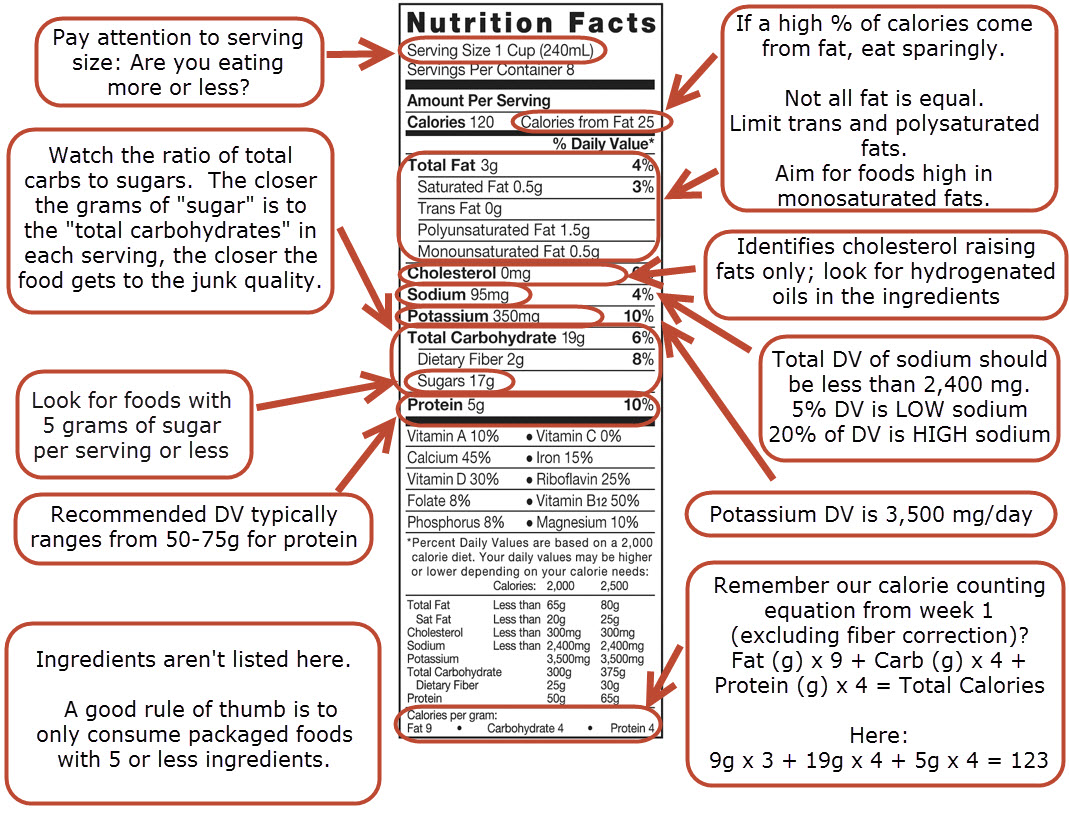
When reading food labels, pay attention to key elements such as serving size, calories, and nutrients. These details provide valuable information about the nutritional content of the product.
- Check the serving size to ensure you are aware of how much you are actually consuming.
- Monitor the calorie count per serving to manage your overall calorie intake.
- Look for essential nutrients like protein, fiber, vitamins, and minerals to support a balanced diet.
Identifying Hidden Sugars and Unhealthy Fats
Be cautious of hidden sugars, unhealthy fats, and additives that may be present in food labels. These ingredients can negatively impact your health and should be limited in your diet.
- Look for terms like “high fructose corn syrup” or “partially hydrogenated oils” in the ingredient list, indicating the presence of added sugars and unhealthy fats.
- Avoid products with a long list of ingredients, especially those with chemical names or artificial additives.
Significance of Ingredient Lists
The ingredient list is a crucial component of food labels as it provides insight into the quality of the product. Understanding the ingredients can help you choose whole, minimally processed foods for a cleaner diet.
- Focus on products with simple, recognizable ingredients that you would use in your own kitchen.
- Avoid products with ingredients that are difficult to pronounce or understand, as they may indicate heavily processed foods.
Strategies for Reading Food Labels
When it comes to clean eating, understanding how to read food labels is essential. By being able to decipher the information on food labels, you can make informed choices that align with your clean eating goals.
Choosing Whole Foods and Minimally Processed Items
When reading food labels, prioritize whole foods and minimally processed items. Look for labels that list simple, recognizable ingredients, such as fruits, vegetables, whole grains, and lean proteins. Avoid products with long lists of artificial additives, preservatives, and added sugars.
Step-by-Step Guide for Reading Food Labels
- Start by checking the serving size: Make sure to note the serving size and the number of servings per container to accurately assess the nutritional content.
- Scan the ingredient list: Ingredients are listed in descending order by weight, so pay attention to the first few ingredients to understand the primary components of the product.
- Check for hidden sugars and additives: Look out for terms like high-fructose corn syrup, artificial sweeteners, and hydrogenated oils, as these ingredients may not align with clean eating principles.
- Focus on nutrients: Prioritize products that are rich in essential nutrients like vitamins, minerals, fiber, and protein while minimizing empty calories from added sugars and unhealthy fats.
Examples of Clean Eating Food Labels vs. Processed Food Labels
| Clean Eating Food Label | Processed Food Label |
|---|---|
| Organic oats, almonds, honey, cinnamon | Enriched flour, high-fructose corn syrup, artificial flavors, preservatives |
| Grass-fed beef, quinoa, broccoli | Processed meat product, white rice, artificial colors, MSG |
Incorporating Clean Eating into a Balanced Diet
Eating clean is not just about avoiding processed foods; it also involves ensuring that your diet is well-balanced and provides your body with essential nutrients. By incorporating clean eating into a balanced diet, you can optimize your health and well-being.
Role of Nutrient-Rich Foods in Clean Eating and Overall Health
Nutrient-rich foods play a crucial role in clean eating as they provide essential vitamins, minerals, and antioxidants that support overall health. These foods are minimally processed and contain high levels of nutrients per calorie, making them ideal choices for a clean eating diet.
- Leafy greens like spinach, kale, and Swiss chard are excellent sources of vitamins A, C, and K, as well as minerals like iron and calcium.
- Lean proteins such as chicken, turkey, tofu, and legumes are essential for muscle repair and growth, as well as overall energy levels.
- Whole grains like quinoa, brown rice, and oats are rich in fiber, which aids in digestion and helps you feel full longer.
- Fatty fish like salmon, mackerel, and sardines provide omega-3 fatty acids that are important for brain health and reducing inflammation.
Meal Planning Tips to Support Clean Eating and Balanced Nutrition
Meal planning is key to maintaining a balanced diet while incorporating clean eating principles. By preparing meals in advance, you can ensure that you have access to nutrient-dense foods throughout the week.
- Plan your meals ahead of time and make a grocery list to ensure you have all the necessary ingredients on hand.
- Include a variety of fruits, vegetables, whole grains, lean proteins, and healthy fats in your meals to ensure you are getting a wide range of nutrients.
- Batch cook meals and portion them out for easy grab-and-go options during busy days.
- Stay hydrated by drinking plenty of water throughout the day and limit sugary beverages that can add empty calories to your diet.
Clean Eating for Holistic Health: How To Read Food Labels For Clean Eating
Eating clean goes beyond just physical health; it also plays a significant role in promoting holistic well-being. By focusing on whole, unprocessed foods, clean eating can positively impact mental wellness, emotional balance, physical fitness, and overall health.
Mental Wellness and Emotional Balance
Clean eating can contribute to mental wellness and emotional balance by providing essential nutrients that support brain function. Foods rich in omega-3 fatty acids, antioxidants, and vitamins can help improve mood, reduce stress, and enhance cognitive function. By avoiding processed foods and added sugars, clean eating can also help stabilize blood sugar levels, which can impact mood and energy levels.
Physical Fitness and Regular Exercise
Clean eating provides the necessary nutrients to fuel physical activity and support muscle recovery. Consuming a diet rich in lean proteins, complex carbohydrates, and healthy fats can help improve endurance, strength, and overall performance during exercise. Additionally, clean eating can aid in weight management, which is crucial for maintaining a healthy body composition and supporting physical fitness goals.
Maintaining a Healthy Lifestyle, How to read food labels for clean eating
Incorporating clean eating into your daily routine is a key component of maintaining a healthy lifestyle. By focusing on nutrient-dense foods, limiting processed ingredients, and staying hydrated, you can support your body’s overall health and well-being. It’s important to listen to your body’s hunger and fullness cues, practice mindful eating, and make conscious choices that align with your health goals.
Closing Summary
In conclusion, mastering the art of reading food labels is a crucial step towards embracing a clean eating lifestyle. By arming yourself with knowledge about ingredients and nutrients, you can make informed choices that benefit your overall health and well-being.
Question Bank
What should I focus on when reading food labels?
Pay attention to serving sizes, calories, nutrients, and ingredient lists to make informed choices.
How can I identify hidden sugars in food labels?
Look out for terms like corn syrup, dextrose, and sucrose, which indicate the presence of added sugars.
Why is choosing whole foods important for clean eating?
Whole foods are minimally processed and retain more nutrients, making them a better choice for overall health.


