
How to express emotions effectively for balance takes center stage in this exploration of emotional well-being. Delve into practical strategies and insights that can help you achieve a harmonious state of mind.
Explore the crucial role of a balanced diet, mental wellness, physical fitness, hydration, stress management, quality sleep, immune boost, and holistic health in maintaining emotional equilibrium.
Balanced Diet
Having a balanced diet is crucial for maintaining emotional well-being as it provides the necessary nutrients to support brain function and regulate mood.
When it comes to emotional balance, certain nutrient-rich foods play a key role in helping to stabilize emotions. For example, foods high in omega-3 fatty acids like salmon, walnuts, and flaxseeds have been linked to reduced feelings of anxiety and depression.
Nutrient-Rich Foods for Emotional Balance
- Fruits and vegetables: Rich in antioxidants and vitamins that support brain health and mood regulation.
- Whole grains: Provide a steady source of energy and help prevent mood swings.
- Protein-rich foods: Aid in the production of neurotransmitters like serotonin and dopamine, which play a role in regulating mood.
- Healthy fats: Omega-3 fatty acids found in fish, nuts, and seeds can help reduce inflammation and improve mood.
The link between diet and emotional balance is strong, as the foods we consume can impact the production of neurotransmitters and hormones that influence our mood. By maintaining a balanced diet that includes a variety of nutrient-rich foods, we can support our emotional well-being and overall health.
Mental Wellness
When it comes to mental wellness, the way we express our emotions plays a crucial role in maintaining a healthy mind. Effective emotional expression can help reduce stress, improve relationships, and enhance overall well-being.
Connection between Emotional Expression and Mental Wellness
Expressing emotions in a healthy manner allows individuals to process and release feelings instead of bottling them up. This can lead to reduced anxiety, depression, and other mental health issues.
Tips for Effective Expression of Emotions
- Communicate openly and honestly with trusted individuals about your feelings.
- Practice self-reflection to understand the root causes of your emotions.
- Engage in activities like journaling, art, or exercise to express emotions creatively.
- Seek professional help if you find it challenging to express your emotions effectively.
Impact of Suppressed Emotions on Mental Well-being
Suppressing emotions can lead to increased stress, irritability, and a higher risk of developing mental health disorders. It may also strain relationships and hinder personal growth.
Role of Self-Care Practices in Maintaining Mental Wellness
Self-care practices, such as mindfulness, meditation, adequate sleep, and healthy boundaries, are essential for promoting mental well-being. Taking time to prioritize self-care can help individuals manage their emotions effectively and maintain a balanced mental state.
Physical Fitness: How To Express Emotions Effectively For Balance
Regular physical activity plays a crucial role in maintaining emotional balance. Exercise has been shown to release endorphins, which are chemicals in the brain that act as natural painkillers and mood elevators. By incorporating physical fitness into your routine, you can effectively manage stress, anxiety, and depression.
Exercises to Release Pent-Up Emotions
- Cardiovascular exercises like running, swimming, or cycling can help release tension and frustration.
- Yoga and Pilates focus on breathing techniques and mindfulness, promoting relaxation and emotional well-being.
- Strength training exercises such as weightlifting or bodyweight exercises can build confidence and alleviate pent-up emotions.
Relationship Between Physical Activity and Emotional Well-being
Regular physical activity is linked to improved mental health by reducing symptoms of depression and anxiety. Exercise can also enhance self-esteem, improve sleep quality, and boost overall mood. The act of moving your body can provide a sense of accomplishment and control over your emotions.
Benefits of Regular Exercise
- Increased production of endorphins that act as natural mood boosters.
- Improved sleep quality, leading to better emotional regulation.
- Enhanced self-esteem and confidence through physical accomplishments.
- Reduced stress levels and anxiety, promoting a more balanced emotional state.
Adequate Hydration
Hydration plays a crucial role in maintaining emotional balance as much as physical well-being. Staying hydrated is essential for overall health, including mental health.
Importance of Hydration
Proper hydration is key to supporting brain function and mood regulation. Dehydration can lead to cognitive impairment, fatigue, and irritability, affecting emotional well-being significantly.
Effects of Dehydration on Emotional Well-being
- Increased stress levels
- Difficulty in concentration
- Mood swings and irritability
- Reduced cognitive performance
Tips for Ensuring Adequate Hydration
- Carry a water bottle with you throughout the day as a reminder to drink water regularly.
- Set specific goals for water intake based on your weight and activity level.
- Include hydrating foods like fruits and vegetables in your diet.
- Avoid excessive consumption of caffeinated or alcoholic beverages that can dehydrate the body.
Connection between Hydration and Mood Regulation
Proper hydration helps in maintaining a stable mood by supporting neurotransmitter function and cognitive processes. When the body is well-hydrated, it can better cope with stress and regulate emotions effectively.
Stress Management
Managing stress is crucial for maintaining emotional balance and overall well-being. Chronic stress can have a detrimental impact on emotional health, leading to anxiety, depression, and other mental health issues. By incorporating stress-relief techniques into daily life, individuals can effectively manage stress and promote emotional wellness.
Effective Strategies for Managing Stress
- Practice mindfulness and meditation to reduce stress levels and increase self-awareness.
- Engage in regular physical exercise to release endorphins and improve mood.
- Establish a healthy work-life balance to prevent burnout and reduce stress triggers.
- Connect with supportive friends and family members to share feelings and receive emotional support.
Impact of Chronic Stress on Emotional Well-being
Chronic stress can lead to a variety of emotional issues, including increased irritability, mood swings, and difficulty concentrating. Prolonged exposure to stress hormones can also weaken the immune system and increase the risk of developing mental health disorders such as anxiety and depression.
Stress-relief Techniques for Daily Life
- Practice deep breathing exercises to calm the mind and body in stressful situations.
- Engage in hobbies or activities that bring joy and relaxation, such as painting, gardening, or listening to music.
- Get an adequate amount of sleep to allow the body to rest and recharge, promoting emotional resilience.
- Avoid excessive caffeine and alcohol consumption, as they can exacerbate feelings of stress and anxiety.
Relationship Between Stress Management and Emotional Health
Effective stress management is closely linked to emotional health, as it allows individuals to cope with daily challenges and maintain a positive outlook on life. By developing healthy coping mechanisms and seeking support when needed, individuals can enhance their emotional well-being and build resilience against stressors.
Quality Sleep
Quality sleep plays a crucial role in regulating our emotions and maintaining overall well-being. When we get enough restful sleep, our brains are able to process emotions effectively, leading to better mood regulation and stress management.
Tips for Improving Sleep Quality
- Avoid caffeine and electronics before bedtime to promote relaxation.
- Establish a consistent sleep schedule to regulate your body’s internal clock.
- Create a comfortable sleep environment by keeping your bedroom dark, quiet, and cool.
- Practice relaxation techniques such as deep breathing or meditation to calm the mind before sleep.
Effects of Sleep Deprivation on Emotional Well-being
- Sleep deprivation can lead to increased irritability, mood swings, and difficulty in coping with stress.
- It can also impair cognitive function, making it harder to regulate emotions and make sound decisions.
- Chronic sleep deprivation has been linked to mental health disorders such as anxiety and depression.
Strategies for Establishing Healthy Sleep Habits
- Aim for 7-9 hours of sleep per night to allow your body and mind to rest and recharge.
- Avoid heavy meals and vigorous exercise close to bedtime to promote better sleep quality.
- Limit exposure to screens and bright lights before bed to signal to your brain that it’s time to wind down.
- Seek professional help if you have persistent trouble sleeping, as addressing underlying sleep disorders is crucial for emotional well-being.
Immune Boost
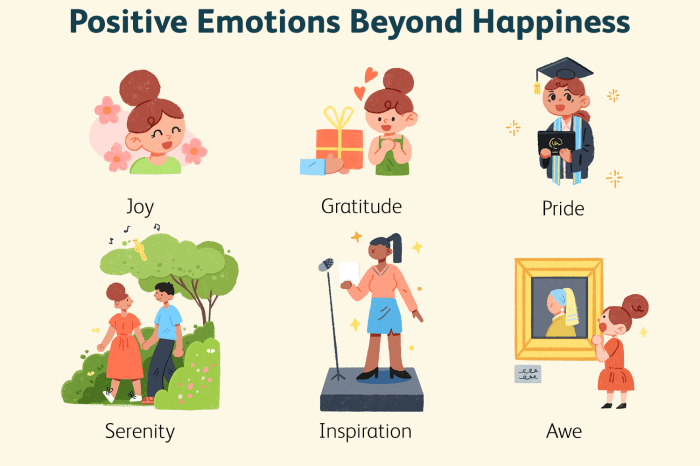
Emotional balance plays a crucial role in supporting a strong immune system. When we are able to manage our emotions effectively, it reduces stress levels in the body, which in turn can help boost our immune health.
Activities for Emotional Balance and Immunity
- Regular Exercise: Engaging in physical activity not only helps improve emotional well-being but also strengthens the immune system.
- Meditation and Mindfulness: Practices like meditation and mindfulness can reduce stress and promote a sense of calm, benefiting both emotional balance and immunity.
- Healthy Diet: Eating a balanced diet rich in fruits, vegetables, and whole grains provides essential nutrients that support both emotional health and immune function.
- Social Connections: Building and maintaining positive relationships with others can contribute to emotional well-being and overall immune health.
- Quality Sleep: Prioritizing good sleep hygiene is essential for emotional regulation and immune function, as restorative sleep supports both aspects of health.
Importance of Holistic Health, How to express emotions effectively for balance
A holistic approach to health considers the interconnectedness of the mind, body, and spirit, emphasizing the importance of nurturing all aspects of well-being for optimal health.
Incorporating practices that promote emotional balance alongside strategies that support immune health can lead to a more resilient and thriving overall well-being.
Holistic Health
Holistic health is an approach that considers the whole person – body, mind, and spirit – in the quest for optimal well-being. When it comes to emotional balance, holistic health focuses on addressing not only the symptoms but also the root causes of emotional distress.
By addressing the physical, mental, and emotional aspects of an individual, holistic health promotes overall well-being by creating harmony and balance within the body. This approach recognizes that emotions are interconnected with other aspects of health and that imbalances in one area can affect the others as well.
Holistic Practices for Emotional Health
- Practicing mindfulness and meditation to calm the mind and reduce stress levels.
- Incorporating regular exercise to release endorphins and improve mood.
- Eating a balanced diet rich in nutrients to support brain function and emotional stability.
- Engaging in activities that bring joy and fulfillment, such as hobbies or spending time with loved ones.
Benefits of Holistic Approach
- Improved emotional resilience and ability to cope with challenges.
- Enhanced overall well-being and quality of life.
- Reduced risk of developing chronic stress-related illnesses.
- Promotion of self-awareness and self-care practices.
Outcome Summary
Embrace the power of emotional expression and self-care practices to nurture your mental and physical well-being. By incorporating these tips into your daily routine, you can cultivate a more balanced and fulfilling life.
Clarifying Questions
How does a balanced diet impact emotional well-being?
A balanced diet rich in nutrients can help regulate emotions and contribute to overall health and wellness.
What role does physical fitness play in emotional balance?
Physical fitness can influence emotional balance by releasing pent-up emotions and promoting overall well-being.
Why is stress management important for maintaining emotional balance?
Effective stress management strategies can help in maintaining emotional balance and promoting better mental health.
How does quality sleep affect emotional regulation?
Quality sleep plays a vital role in emotional regulation, supporting overall emotional well-being.


