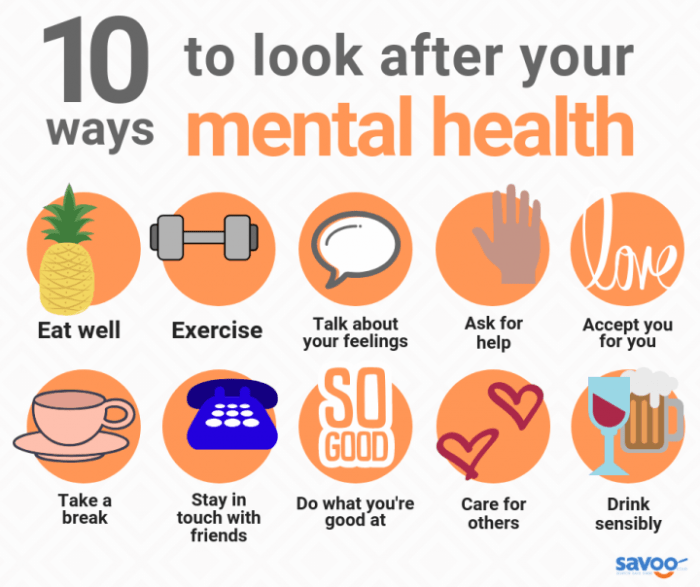
Preventive care for maintaining mental health encompasses various aspects like balanced diet, physical fitness, stress management, and more. This comprehensive approach prioritizes overall well-being and aims to prevent mental health issues before they arise.
Exploring each component in detail sheds light on the importance of proactive measures in promoting mental wellness and emotional balance.
Balanced Diet
Maintaining a balanced diet is crucial for promoting good mental health. The food we eat provides the necessary nutrients that support brain function and overall well-being. A diet rich in essential vitamins, minerals, and antioxidants can help reduce the risk of mental health disorders and improve mood.
Role of Nutrient-Rich Foods
Eating a variety of whole foods such as fruits, vegetables, whole grains, lean proteins, and healthy fats can provide the body with the nutrients it needs to function optimally. For example, foods high in Omega-3 fatty acids like salmon, walnuts, and flaxseeds can help reduce inflammation in the brain and improve cognitive function.
Leafy greens like spinach and kale are rich in folate, which is important for neurotransmitter function and mood regulation.
Benefits of a Balanced Diet for Mental Health
A balanced diet not only provides essential nutrients for brain health but also helps regulate blood sugar levels and promote gut health. Research has shown a strong connection between the gut and the brain, known as the gut-brain axis, highlighting the importance of a healthy digestive system for mental well-being.
Additionally, a diet high in processed foods, sugar, and unhealthy fats has been linked to an increased risk of depression and anxiety.
Preventive Care through Balanced Diet
By incorporating nutrient-rich foods into your diet, you can support your mental health and reduce the risk of developing mental health disorders. A balanced diet can help improve mood, increase energy levels, enhance cognitive function, and reduce stress and anxiety.
Making healthy food choices can be a proactive way to take care of your mental well-being and promote overall wellness.
Mental Wellness
Maintaining mental wellness is crucial for overall health as it directly impacts our emotional, psychological, and social well-being. A healthy mind contributes to better decision-making, coping with stress, and forming positive relationships.
Strategies for Promoting Mental Wellness
- Practice mindfulness and meditation to reduce stress and improve focus.
- Engage in regular physical exercise to release endorphins and boost mood.
- Establish a healthy sleep routine to support cognitive function and emotional stability.
- Cultivate hobbies and interests to provide a sense of fulfillment and joy.
- Seek professional help if needed to address any mental health concerns without stigma.
Influence on Stress Management and Emotional Balance
Mental wellness plays a significant role in how we perceive and respond to stressors in our lives. A healthy mind can effectively manage stress and maintain emotional balance, leading to better overall well-being.
- Practicing self-care techniques such as deep breathing exercises and relaxation techniques can help regulate emotions during stressful situations.
- Maintaining a positive outlook and engaging in activities that bring joy can enhance emotional resilience and reduce the impact of stress.
- Building a strong support system of friends, family, or mental health professionals can provide the necessary resources to cope with stress and maintain emotional stability.
Physical Fitness
Regular exercise plays a crucial role in maintaining mental well-being. The relationship between physical fitness and mental health is undeniable, as physical activity has been shown to have numerous benefits for the mind.Exercise helps in reducing symptoms of anxiety and depression by releasing endorphins, which are known as the body’s natural mood lifters.
It also helps in improving sleep quality, boosting self-esteem, and reducing stress levels. Additionally, physical activity can enhance cognitive function and increase overall brain health.
Benefits of Regular Exercise on Mental Health
- Improves mood and reduces symptoms of anxiety and depression
- Enhances sleep quality and boosts self-esteem
- Reduces stress levels and promotes relaxation
- Enhances cognitive function and overall brain health
Physical Activities to Improve Mental Health
- Cardiovascular exercises like running, cycling, or swimming
- Strength training with weights or resistance bands
- Yoga or Pilates for relaxation and stress reduction
- Dance classes or aerobics for a fun and engaging workout
Adequate Hydration
Proper hydration is essential for maintaining optimal cognitive function and mental clarity. Dehydration can lead to decreased focus, memory problems, and overall cognitive impairment, affecting your mental well-being.
Tips for Ensuring Adequate Hydration
- Carry a reusable water bottle with you throughout the day to remind yourself to drink water regularly.
- Set reminders on your phone or computer to take water breaks at regular intervals.
- Infuse your water with fruits or herbs to add flavor and make it more enjoyable to drink.
- Monitor your urine color – clear or light yellow urine indicates proper hydration.
- Include hydrating foods in your diet, such as fruits and vegetables with high water content.
Connection Between Dehydration and Stress Levels
Dehydration can also have a significant impact on stress levels. When your body is dehydrated, it can lead to an increase in cortisol levels, the stress hormone, which in turn can exacerbate feelings of anxiety and tension. Staying adequately hydrated is crucial for managing stress and maintaining a healthy mindset.
Stress Management
Stress management plays a crucial role in preventing mental health issues by helping individuals maintain emotional balance and overall well-being. By effectively reducing stress levels, individuals can improve their mental health and lead a healthier lifestyle.
Effective Stress Management Techniques
- Practice mindfulness and meditation to focus on the present moment and reduce anxiety.
- Engage in regular physical exercise to release endorphins and alleviate stress.
- Establish a healthy work-life balance to prevent burnout and reduce stress levels.
- Connect with friends and family for emotional support and social interactions.
- Utilize relaxation techniques such as deep breathing exercises and progressive muscle relaxation.
Benefits of Reducing Stress Levels
- Improved mental clarity and cognitive function.
- Enhanced mood and emotional well-being.
- Reduced risk of developing anxiety and depression.
- Better sleep quality and overall physical health.
- Increased resilience to handle challenges and setbacks effectively.
Healthy Lifestyle
Adopting a healthy lifestyle is crucial for maintaining good mental health. It involves a combination of habits and practices that contribute to overall well-being, both physically and mentally.
Habits for Promoting Mental Well-Being
- Eating a balanced diet rich in fruits, vegetables, whole grains, and lean proteins.
- Engaging in regular physical activity, such as walking, jogging, or yoga.
- Getting an adequate amount of sleep each night to allow the body and mind to rest and rejuvenate.
- Practicing mindfulness and relaxation techniques, such as meditation or deep breathing exercises.
- Cultivating strong social connections with friends and family for emotional support.
- Limiting the consumption of alcohol and avoiding the use of recreational drugs.
- Engaging in hobbies and activities that bring joy and fulfillment.
Long-Term Benefits of a Healthy Lifestyle on Mental Health
By incorporating these habits into your daily routine, you can experience numerous long-term benefits for your mental health:
- Improved mood and overall sense of well-being.
- Reduced risk of developing mental health disorders, such as anxiety and depression.
- Enhanced cognitive function and memory.
- Increased resilience to stress and better coping mechanisms.
- Enhanced self-esteem and confidence.
- Boosted energy levels and motivation.
- Overall improved quality of life and longevity.
Quality Sleep
Quality sleep plays a crucial role in maintaining good mental health. It is during sleep that our bodies repair and restore themselves, including the brain. Lack of quality sleep can have a significant impact on our mental well-being, leading to increased stress, anxiety, and even depression.
Significance of Quality Sleep
Quality sleep is essential for cognitive function, emotional regulation, and overall mental health. During sleep, the brain processes information, consolidates memories, and regulates mood. Lack of quality sleep can impair these functions, leading to difficulties in concentration, mood swings, and heightened stress levels.
Tips for Improving Sleep Quality
- Establish a regular sleep schedule by going to bed and waking up at the same time every day, even on weekends.
- Create a relaxing bedtime routine to signal to your body that it’s time to wind down, such as reading a book or taking a warm bath.
- Avoid screens (phones, tablets, computers) at least an hour before bed, as the blue light can disrupt your sleep-wake cycle.
- Keep your bedroom dark, cool, and quiet to create an optimal sleeping environment.
- Avoid consuming caffeine, nicotine, and heavy meals close to bedtime, as they can interfere with your ability to fall asleep.
Connection Between Sleep Deprivation and Mental Health Disorders
Sleep deprivation can contribute to the development of mental health disorders such as anxiety, depression, and bipolar disorder. Chronic sleep deprivation disrupts the balance of neurotransmitters in the brain, affecting mood regulation and cognitive function. It can also exacerbate symptoms of existing mental health conditions, making it crucial to prioritize quality sleep for overall well-being.
Cardio Health
Cardiovascular health plays a crucial role in maintaining mental well-being. Research has shown that regular cardio exercise can help reduce symptoms of anxiety and depression, improve mood, and enhance overall cognitive function.
Benefits of Cardio Exercises for Mental Health
- Running or Jogging: These activities release endorphins, which are known as “feel-good” hormones, helping to reduce stress and improve mood.
- Cycling: Cycling can boost brain function, improve memory, and increase overall cognitive performance.
- Dancing: Dancing not only provides physical benefits but also promotes mental well-being by boosting self-esteem and reducing symptoms of anxiety and depression.
- Swimming: Swimming is a low-impact exercise that can help reduce stress, improve sleep quality, and enhance brain function.
Relationship between Cardio Health and Cognitive Function
Regular cardio exercise has been linked to improved cognitive function and a reduced risk of cognitive decline as we age. Cardiovascular workouts increase blood flow to the brain, promoting the growth of new brain cells and improving overall brain health.
This can lead to enhanced memory, focus, and concentration, ultimately contributing to better mental well-being.
Immune Boost
Boosting the immune system is crucial for maintaining overall health, including mental wellness. A strong immune system helps the body fight off infections and illnesses, reducing the physical stress that can contribute to mental health issues.
Methods for Enhancing the Immune System
- Consuming a balanced diet rich in fruits, vegetables, whole grains, and lean proteins.
- Regular physical exercise to strengthen the immune system and reduce inflammation.
- Getting an adequate amount of quality sleep to allow the body to repair and regenerate.
- Managing stress through relaxation techniques such as meditation, yoga, or deep breathing exercises.
- Staying hydrated by drinking plenty of water throughout the day.
- Avoiding smoking and excessive alcohol consumption, which can weaken the immune system.
Link Between Strong Immune System and Reduced Mental Health Issues
A robust immune system can help reduce inflammation in the body, which has been linked to mental health conditions such as depression and anxiety. By supporting the immune system through healthy lifestyle choices, individuals can potentially reduce their risk of developing mental health issues and improve their overall well-being.
Positive Mindset
Maintaining a positive mindset plays a crucial role in promoting mental health and overall well-being. A positive outlook can help individuals cope with stress, build resilience, and enhance their quality of life.
Strategies for Cultivating and Maintaining a Positive Outlook
- Acknowledge and challenge negative thoughts: Recognize negative thinking patterns and replace them with positive affirmations.
- Practice gratitude: Regularly express thanks for the good things in life to shift focus from what’s lacking to what’s present.
- Engage in activities that bring joy: Pursuing hobbies, spending time with loved ones, and helping others can boost mood and foster positivity.
- Avoid negative influences: Limit exposure to negative news or toxic relationships that can dampen your spirits.
Impact of a Positive Mindset on Overall Well-being
A positive mindset can lead to lower levels of stress, improved mental health, better physical health outcomes, and enhanced resilience in facing life’s challenges.
Clean Eating
Eating clean refers to consuming whole, unprocessed foods that are rich in nutrients and free from additives or artificial ingredients. This approach to nutrition emphasizes the importance of fueling the body with natural, wholesome foods to support overall health and well-being.
Benefits of Clean Eating for Mental Health
Clean eating can have a significant impact on mental health by providing the necessary nutrients to support brain function and emotional well-being. A diet rich in fruits, vegetables, whole grains, lean proteins, and healthy fats can help regulate mood, reduce inflammation, and improve cognitive function.
- Increased Energy Levels: Consuming nutrient-dense foods can boost energy levels and enhance mental clarity, allowing for better focus and productivity.
- Improved Mood: Certain nutrients found in clean foods, such as omega-3 fatty acids and antioxidants, can help alleviate symptoms of depression and anxiety.
- Reduced Inflammation: Clean eating can help reduce inflammation in the body, which is linked to mental health conditions like depression and cognitive decline.
- Enhanced Gut Health: A healthy gut is essential for mental well-being, as the gut-brain connection plays a crucial role in mood regulation and stress management.
Examples of Clean Eating Habits
Some examples of clean eating habits that support mental wellness include:
- Choosing whole, unprocessed foods over packaged or processed options
- Prioritizing fruits and vegetables as the main components of meals
- Incorporating lean proteins such as poultry, fish, and legumes
- Selecting whole grains like quinoa, brown rice, and oats
- Opting for healthy fats from sources like avocados, nuts, and seeds
- Limiting consumption of added sugars and refined carbohydrates
Contribution to Preventive Care for Mental Health
Clean eating plays a crucial role in preventive care for mental health by providing the body with essential nutrients to support brain function, mood regulation, and overall well-being. By adopting a clean eating approach, individuals can better manage stress, improve cognitive function, and reduce the risk of mental health conditions in the long run.
Daily Activity
Incorporating daily activities is crucial for maintaining mental well-being. Engaging in regular physical and mental exercises can have a positive impact on our overall mental health.
Examples of Daily Activities
- Yoga or meditation: Practicing mindfulness can help reduce stress and anxiety levels.
- Walking or jogging: Physical activity releases endorphins, which are known to boost mood.
- Reading or writing: Engaging in activities that stimulate the mind can enhance cognitive function.
- Gardening or painting: Creative pursuits can act as a form of self-expression and relaxation.
Benefits of Staying Active Daily
Regular physical activity not only improves physical health but also plays a significant role in enhancing mental wellness. By staying active daily, individuals can experience:
- Improved mood and reduced symptoms of depression.
- Enhanced cognitive function and memory retention.
- Increased self-esteem and confidence levels.
- Better sleep quality and overall energy levels.
Holistic Health
Holistic health is a concept that considers the whole person
- body, mind, and spirit
- in the quest for optimal health and wellness. It emphasizes the interconnectedness of these aspects and how they influence one another, including mental well-being.
Approaches to Maintaining Mental Health
- Practicing mindfulness and meditation to reduce stress and improve mental clarity.
- Incorporating regular physical activity to boost mood and overall well-being.
- Eating a balanced diet rich in nutrients that support brain function and mental health.
- Engaging in activities that promote social connections and emotional support.
Benefits of Adopting a Holistic Health Approach
- Addresses the root causes of mental health issues rather than just symptoms.
- Promotes overall well-being and balance in all aspects of life.
- Encourages a proactive approach to health by focusing on prevention rather than treatment.
- Supports a greater sense of connection and purpose, leading to increased resilience and ability to cope with challenges.
Mindful Living
Mindful living involves being fully present in the moment, paying attention to thoughts and feelings without judgment. This practice can have a significant impact on mental health by reducing stress, improving focus, and enhancing emotional well-being.
Tips for Incorporating Mindfulness Practices
- Start the day with a few minutes of mindful breathing or meditation.
- Practice mindful eating by savoring each bite and being aware of the sensations.
- Take short breaks throughout the day to check in with your thoughts and feelings.
- Engage in mindful movement activities such as yoga or tai chi.
- Practice gratitude by reflecting on things you are thankful for each day.
Benefits of Mindful Living
Mindful living can contribute to emotional balance by helping individuals regulate their emotions and respond to situations with clarity and compassion. By staying present in the moment, individuals can reduce stress levels, enhance self-awareness, and cultivate a sense of inner peace.
Emotional Balance
Emotional balance plays a crucial role in maintaining overall mental wellness. It involves being aware of and managing one’s emotions effectively, which can have a significant impact on mental health. When individuals are emotionally balanced, they are better equipped to cope with stress, make decisions, and maintain healthy relationships.
Strategies for Achieving Emotional Balance, Preventive care for maintaining mental health
- Practice mindfulness: Engaging in mindfulness activities such as meditation or deep breathing can help individuals stay present and aware of their emotions.
- Seek support: Talking to a therapist, counselor, or trusted individual about emotions can provide clarity and guidance in managing them.
- Develop healthy coping mechanisms: Finding healthy ways to cope with stress, such as exercise, journaling, or hobbies, can prevent emotional imbalance.
- Set boundaries: Establishing boundaries in relationships and at work can help prevent emotional overload and maintain balance.
- Practice self-care: Engaging in activities that bring joy and relaxation, such as spending time in nature or taking a bath, can help regulate emotions.
Influence of Emotional Balance on Mental Health
Emotional balance directly impacts mental health by reducing the risk of anxiety, depression, and other mental health disorders. When individuals are able to regulate their emotions effectively, they are more resilient to life’s challenges and can navigate difficult situations with clarity and composure.
Overall, emotional balance is essential for maintaining optimal mental wellness and overall well-being.
Health Education: Preventive Care For Maintaining Mental Health
Health education plays a crucial role in promoting mental well-being by providing individuals with the knowledge and skills needed to maintain good mental health and prevent mental illnesses.
Importance of Educating Individuals on Mental Health Prevention
It is essential to educate individuals on mental health prevention to empower them to take proactive steps in maintaining their mental well-being. By increasing awareness and understanding of mental health issues, individuals can recognize warning signs early on and seek help when needed.
Examples of Effective Health Education Programs for Mental Wellness
- The National Alliance on Mental Illness (NAMI) offers educational programs and support groups for individuals living with mental health conditions and their families.
- The Mental Health First Aid program provides training to help individuals identify, understand, and respond to signs of mental illnesses and substance use disorders.
- School-based mental health education programs, such as the Signs of Suicide (SOS) program, aim to educate students, teachers, and parents about the warning signs of suicide and how to seek help.
Self-Care
Self-care is the practice of taking deliberate actions to prioritize and enhance one’s own physical, mental, and emotional well-being. It plays a crucial role in maintaining mental health by promoting self-awareness, reducing stress, and fostering a positive mindset.
Self-Care Practices for Mental Well-being
- Engage in regular exercise to boost endorphins and reduce anxiety.
- Practice mindfulness and meditation to calm the mind and increase self-awareness.
- Set boundaries to protect your time and energy from draining activities or people.
- Cultivate hobbies and interests that bring you joy and fulfillment.
- Prioritize sleep to rejuvenate your body and mind for optimal functioning.
Impact of Self-Care on Stress Management and Emotional Well-being
Self-care practices have a direct impact on stress management by providing individuals with effective coping mechanisms to deal with daily stressors. By engaging in self-care activities, individuals can reduce the negative effects of stress on their mental and emotional well-being.
Taking time for self-care allows individuals to recharge, relax, and refocus, leading to improved emotional balance and overall well-being.
Chronic Disease
Chronic diseases, such as diabetes, heart disease, and autoimmune disorders, can have a significant impact on mental health. The burden of managing a chronic illness, dealing with symptoms, and the uncertainty of the condition can lead to feelings of anxiety, depression, and overall emotional distress.Preventive care measures play a crucial role in reducing the risk of mental health issues related to chronic diseases.
By adopting a healthy lifestyle, maintaining a balanced diet, engaging in regular physical activity, and managing stress effectively, individuals can improve their overall well-being and resilience against the psychological toll of chronic illness.
Strategies for Managing Mental Health with Chronic Illness
- Stay connected: Build a support system of friends, family, or a therapist to share your feelings and experiences.
- Practice self-care: Engage in activities that bring you joy and relaxation, such as hobbies, meditation, or mindfulness exercises.
- Set realistic goals: Break down tasks into manageable steps to avoid feeling overwhelmed by the demands of your illness.
- Seek professional help: Consult with mental health professionals to address any persistent emotional challenges or symptoms of anxiety or depression.
- Stay informed: Educate yourself about your condition, treatment options, and available resources to empower yourself in managing your health.
Closing Summary
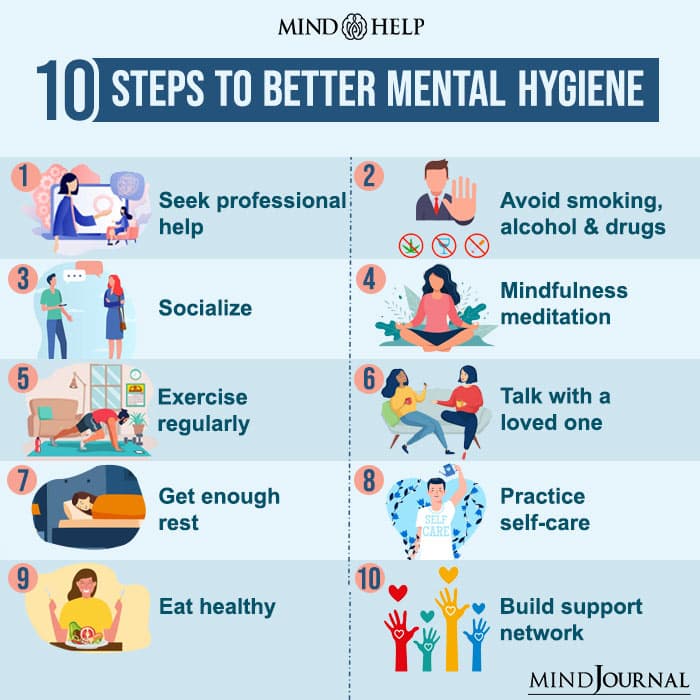
In conclusion, adopting preventive care strategies for mental health not only enhances one’s quality of life but also fosters a resilient mindset and emotional stability. By prioritizing self-care practices, healthy habits, and positive lifestyle choices, individuals can proactively safeguard their mental well-being for the long term.
Questions Often Asked
How does preventive care differ from reactive care for mental health?
Preventive care focuses on proactively maintaining mental well-being through healthy habits and lifestyle choices, while reactive care addresses mental health issues after they have emerged.
Can preventive care practices for mental health also benefit physical health?
Absolutely. Many preventive care practices, such as regular exercise and a balanced diet, not only support mental wellness but also contribute to overall physical health and well-being.
Are there specific age groups that can benefit the most from preventive care for mental health?
Preventive care practices are beneficial for individuals of all ages. However, starting early with these habits can establish a strong foundation for mental well-being throughout life.


