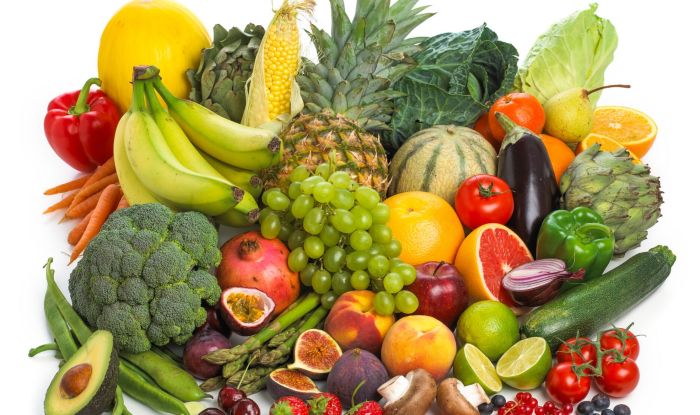
How to include more fruits and vegetables in a balanced diet takes center stage in this guide to healthy eating, offering valuable insights and practical tips for a nutritious lifestyle.
With a focus on enhancing your daily meals with a rainbow of colorful produce, this comprehensive approach ensures you reap the benefits of a well-rounded diet.
Importance of Including Fruits and Vegetables in a Balanced Diet
Eating a variety of fruits and vegetables is crucial for maintaining good health and well-being. These colorful foods are packed with essential nutrients that are vital for various bodily functions.
Benefits of Incorporating Fruits and Vegetables
- Rich in Vitamins and Minerals: Fruits and vegetables are excellent sources of vitamins like vitamin C, vitamin A, and minerals such as potassium and folate.
- Dietary Fiber: They are high in dietary fiber, which aids digestion, promotes satiety, and helps in maintaining a healthy weight.
- Antioxidants: Fruits and vegetables contain antioxidants that protect cells from damage caused by free radicals, reducing the risk of chronic diseases.
Role of Fruits and Vegetables in Providing Essential Nutrients
- Vitamin C: Citrus fruits like oranges and strawberries are rich in vitamin C, which supports the immune system and promotes healthy skin.
- Potassium: Bananas, sweet potatoes, and spinach are great sources of potassium, essential for heart health and proper muscle function.
- Folate: Leafy greens, lentils, and avocados provide folate, crucial for cell division and DNA synthesis.
Fruits and Vegetables in Disease Prevention and Management
- Heart Disease: A diet high in fruits and vegetables can lower the risk of heart disease by reducing blood pressure, cholesterol levels, and inflammation.
- Cancer: Certain fruits and vegetables, like berries and cruciferous vegetables, contain compounds that may help reduce the risk of cancer development.
- Diabetes: The fiber content in fruits and vegetables can help regulate blood sugar levels, reducing the risk of type 2 diabetes.
Tips for Increasing Fruit and Vegetable Consumption
Increasing the intake of fruits and vegetables is essential for a balanced diet. Here are some strategies to help you incorporate more of these nutritious foods into your daily meals and snacks.
Add Variety to Your Diet
One way to increase fruit and vegetable consumption is by adding a variety of options to your diet. Instead of sticking to the same fruits and vegetables every day, try to include different colors, textures, and flavors to keep things interesting.
- Include a mix of fresh, frozen, and canned fruits and vegetables to ensure you have options available at all times.
- Experiment with different cooking methods such as roasting, steaming, or grilling to enhance the flavors of your produce.
- Try incorporating fruits and vegetables into your meals in creative ways, such as adding spinach to smoothies or using zucchini noodles as a pasta alternative.
Eat the Rainbow
One popular concept in nutrition is “eating the rainbow,” which refers to consuming fruits and vegetables of different colors to ensure a diverse intake of nutrients.
- Red fruits and vegetables like tomatoes and strawberries are rich in lycopene and anthocyanins.
- Orange produce such as carrots and sweet potatoes are high in beta-carotene and vitamin C.
- Green vegetables like spinach and broccoli provide essential vitamins and minerals like vitamin K and folate.
- Include blue and purple fruits like blueberries and eggplant to benefit from antioxidants like anthocyanins.
- Yellow and white fruits and vegetables like bananas and cauliflower offer nutrients like potassium and vitamin C.
Balancing Fruits and Vegetables with Other Food Groups
Consuming a variety of foods from different food groups is essential for a well-rounded and balanced diet. When it comes to fruits and vegetables, it is important to balance their consumption with other food groups to ensure you are meeting all your nutritional needs.
Importance of Balancing Fruit and Vegetable Consumption
When planning your meals, it’s crucial to include a mix of fruits, vegetables, protein, and whole grains to get a wide range of essential nutrients. Balancing these food groups can help prevent nutrient deficiencies and promote overall health and well-being.
Portion Control and Moderation
While fruits and vegetables are nutritious, it’s important to practice portion control and moderation. Consuming too much of anything, even healthy foods, can lead to an imbalance in your diet. Be mindful of serving sizes and try to incorporate a variety of fruits and vegetables in your meals.
Examples of Balanced Meals
Here are some examples of balanced meals that include fruits, vegetables, protein, and whole grains:
- A grilled chicken breast with a side of steamed broccoli, quinoa, and a mixed berry salad.
- Salmon with roasted sweet potatoes, sautéed spinach, and a fruit medley of oranges and kiwi.
- Vegetarian stir-fry with tofu, bell peppers, snap peas, brown rice, and a side of fresh pineapple.
Nutrient-Rich Fruits and Vegetables to Prioritize
Consuming a variety of colorful fruits and vegetables is essential for optimal health as they provide a wide range of essential vitamins, minerals, and antioxidants. By prioritizing nutrient-dense options, you can ensure your body gets the necessary nutrients to function at its best.
Dark Leafy Greens
Dark leafy greens like spinach, kale, and Swiss chard are packed with vitamins A, C, and K, as well as iron, calcium, and antioxidants. They are versatile ingredients that can be used in salads, smoothies, stir-fries, and soups.
Berries
Berries such as blueberries, strawberries, and raspberries are rich in antioxidants, fiber, and vitamin C. They can be enjoyed on their own as a snack, added to yogurt or oatmeal, or used in smoothies and desserts.
Cruciferous Vegetables
Cruciferous vegetables like broccoli, cauliflower, and Brussels sprouts are high in fiber, vitamins C and K, and cancer-fighting compounds. They can be roasted, steamed, or stir-fried to retain their nutritional value.
Citrus Fruits
Citrus fruits like oranges, grapefruits, and lemons are excellent sources of vitamin C, fiber, and antioxidants. They can be enjoyed as a snack, added to salads, or used in marinades and dressings.
The Link Between Fruits, Vegetables, and Mental Wellness
Eating a diet rich in fruits and vegetables not only benefits physical health but also plays a crucial role in supporting mental well-being. Research has shown a strong connection between fruit/vegetable intake and mood regulation, highlighting the importance of incorporating these nutrient-packed foods into our daily meals.
Impact on Mental Health
Studies have indicated that individuals who consume higher amounts of fruits and vegetables are more likely to experience lower levels of stress, anxiety, and depression. The vitamins, minerals, and antioxidants found in these foods have been linked to improved cognitive function and enhanced mood stability.
Tips for Emotional Balance
- Start your day with a colorful fruit salad to boost your mood and energy levels.
- Snack on fresh fruits or veggies throughout the day to maintain steady blood sugar levels and prevent mood swings.
- Incorporate leafy greens like spinach and kale into your meals to increase serotonin levels, promoting feelings of happiness and relaxation.
- Experiment with different fruits and vegetables to keep your meals exciting and enjoyable, enhancing your overall well-being.
Physical Fitness and Fruit/Vegetable Consumption: How To Include More Fruits And Vegetables In A Balanced Diet
Consuming a diet rich in fruits and vegetables is not only important for overall health but also plays a significant role in supporting physical fitness and exercise performance. Fruits and vegetables provide essential nutrients that are vital for energy levels, muscle function, and post-workout recovery.
Role of Fruits and Vegetables in Supporting Physical Fitness
Including a variety of fruits and vegetables in your diet can help improve physical fitness by providing the necessary vitamins, minerals, and antioxidants that support muscle function and overall performance. These nutrient-rich foods can also help reduce inflammation, support the immune system, and aid in faster recovery after workouts.
- Fruits like bananas, berries, and oranges are excellent sources of natural sugars and carbohydrates, providing a quick energy boost before a workout.
- Vegetables such as leafy greens, bell peppers, and sweet potatoes are rich in vitamins and minerals that support muscle function and recovery.
Importance of Consuming Fruits and Vegetables for Energy Levels and Recovery
Consuming fruits and vegetables before and after exercise can help maintain stable blood sugar levels, provide sustained energy, and support the body’s recovery process. These foods are also hydrating and can help replenish electrolytes lost during physical activity.
- Pre-workout snack ideas: A smoothie with spinach, banana, and almond milk or a piece of whole grain toast with avocado and tomato slices.
- Post-workout snack ideas: Greek yogurt with berries, a fruit and nut bar, or a vegetable stir-fry with tofu or lean protein.
Adequate Hydration and Fruit/Vegetable Intake
Maintaining proper hydration levels is essential for overall health and well-being. Hydration plays a crucial role in various bodily functions, including digestion, circulation, and temperature regulation. When it comes to fruit and vegetable consumption, these foods can also contribute to your hydration needs due to their high water content.
Relationship Between Hydration Levels and Fruit/Vegetable Consumption
Consuming fruits and vegetables that have high water content can help you stay hydrated throughout the day. These foods not only provide essential nutrients but also contribute to your daily fluid intake.
Tips on Staying Hydrated While Increasing Fruit and Vegetable Intake
- Drink water regularly throughout the day to maintain hydration levels.
- Include hydrating fruits like watermelon, oranges, and strawberries in your meals and snacks.
- Add vegetables with high water content such as cucumber, zucchini, and lettuce to your salads and dishes.
- Avoid excessive consumption of dehydrating beverages like sugary drinks and alcohol.
Examples of Hydrating Fruits and Vegetables to Include in Daily Meals, How to include more fruits and vegetables in a balanced diet
| Fruit | Hydration Level (%) |
|---|---|
| Watermelon | 92% |
| Cucumber | 96% |
| Oranges | 87% |
Promoting Immune Health Through Fruits and Vegetables
Eating a variety of fruits and vegetables is not only beneficial for overall health but also plays a crucial role in supporting a strong immune system. These nutrient-packed foods are rich in vitamins, minerals, antioxidants, and phytochemicals that help boost immunity and defend the body against infections and diseases.
Nutrients in Fruits and Vegetables for Immune Function
- Vitamin C: Citrus fruits like oranges, strawberries, and kiwi are excellent sources of vitamin C, which is known for its immune-boosting properties. This vitamin helps stimulate the production of white blood cells, which are essential in fighting off infections.
- Vitamin E: Found in nuts, seeds, and leafy greens, vitamin E acts as an antioxidant that protects cells from damage and supports immune function.
- Vitamin A: Sweet potatoes, carrots, and dark leafy greens are rich in vitamin A, which helps maintain the integrity of the skin and mucous membranes, the body’s first line of defense against pathogens.
- Zinc: Cruciferous vegetables, nuts, and seeds are good sources of zinc, a mineral that plays a crucial role in the development and function of immune cells.
Immune-Boosting Recipes and Smoothie Ideas
Boost your immune system with these delicious recipes and smoothie ideas:
- Immune-Boosting Green Smoothie: Blend together spinach, kale, pineapple, banana, and a splash of orange juice for a refreshing and nutrient-packed smoothie.
- Roasted Vegetable Medley: Roast a mix of colorful vegetables like bell peppers, zucchini, and sweet potatoes with olive oil and herbs for a flavorful immune-boosting side dish.
- Berry Citrus Salad: Combine mixed berries, citrus segments, and a drizzle of honey for a vibrant and antioxidant-rich fruit salad that supports immune health.
Final Wrap-Up
In conclusion, incorporating a variety of fruits and vegetables into your diet not only promotes physical well-being but also nurtures your mental health and overall vitality. By following these guidelines, you can embark on a journey towards a healthier, happier you.
Common Queries
How can I make sure I’m getting enough nutrients from fruits and vegetables?
To ensure a variety of nutrients, aim to eat fruits and vegetables of different colors and types throughout the week. This way, you can benefit from a diverse array of vitamins, minerals, and antioxidants.
Are frozen fruits and vegetables as nutritious as fresh ones?
Yes, frozen fruits and vegetables can be just as nutritious as fresh ones since they are often frozen at peak ripeness, locking in nutrients. Just make sure to choose options without added sugars or sauces.
How can I incorporate more fruits and vegetables into my diet if I’m a picky eater?
Try blending fruits into smoothies or sneaking vegetables into sauces and soups. You can also experiment with different cooking methods to find ways you enjoy eating these nutritious foods.


