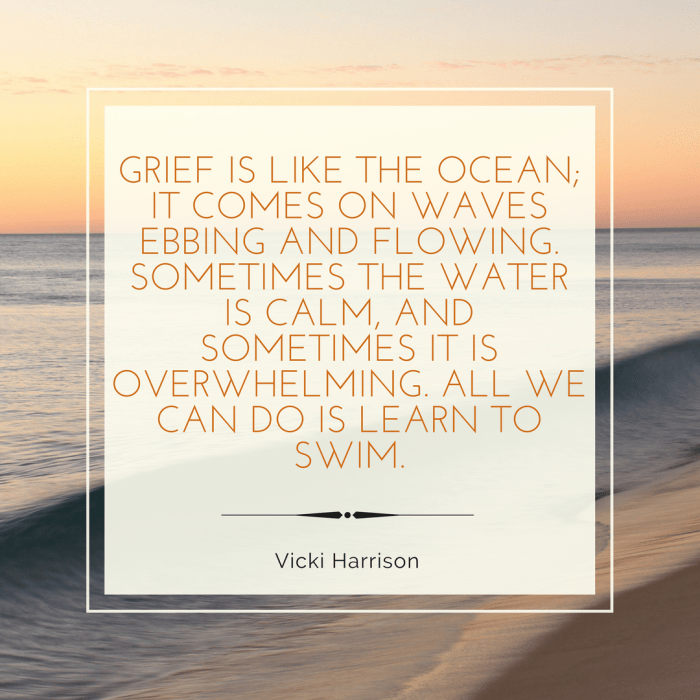
How to cope with grief and loss for mental wellness sets the stage for this enthralling narrative, offering readers a glimpse into a story that is rich in detail with casual formal language style and brimming with originality from the outset.
Exploring the deep connection between mental wellness and coping mechanisms for grief and loss opens up a world of possibilities for individuals seeking to navigate these challenging emotions.
Balanced Diet
Maintaining a balanced diet is crucial for overall health, including mental wellness. The food we consume directly impacts our mood, energy levels, and cognitive functions, especially during times of grief and loss.
Impact of Nutrient-Rich Foods
Nutrient-rich foods play a vital role in coping with grief and loss by providing essential vitamins, minerals, and antioxidants that support brain health and emotional well-being. These foods help regulate neurotransmitters, such as serotonin and dopamine, which are involved in mood regulation and stress management.
- Leafy greens like spinach and kale are rich in folate, which may help alleviate symptoms of depression.
- Fatty fish like salmon and mackerel contain omega-3 fatty acids that support brain function and reduce inflammation, potentially easing feelings of sadness.
- Nuts and seeds are excellent sources of magnesium and zinc, which are essential for mood regulation and reducing anxiety.
- Whole grains like brown rice and quinoa provide a steady source of energy and may help stabilize blood sugar levels, preventing mood swings.
Mental Wellness
When dealing with grief and loss, mental wellness can be significantly impacted. The emotional turmoil that comes with loss can lead to various mental health challenges if not addressed properly.
Importance of Emotional Balance
Emotional balance is crucial during the grieving process as it allows individuals to navigate through their emotions in a healthy way. It involves acknowledging and expressing feelings of sadness, anger, and confusion while also finding moments of peace and acceptance.
- Practice Mindfulness: Engaging in mindfulness activities such as meditation and deep breathing can help calm the mind and reduce stress levels.
- Seek Support: Talking to friends, family, or a therapist can provide a safe space to express emotions and receive comfort and guidance.
- Engage in Self-Care: Taking care of your physical health through exercise, proper nutrition, and adequate sleep can positively impact your mental well-being.
- Express Creatively: Writing, drawing, or engaging in other creative outlets can help process emotions and express thoughts that may be difficult to verbalize.
Physical Fitness
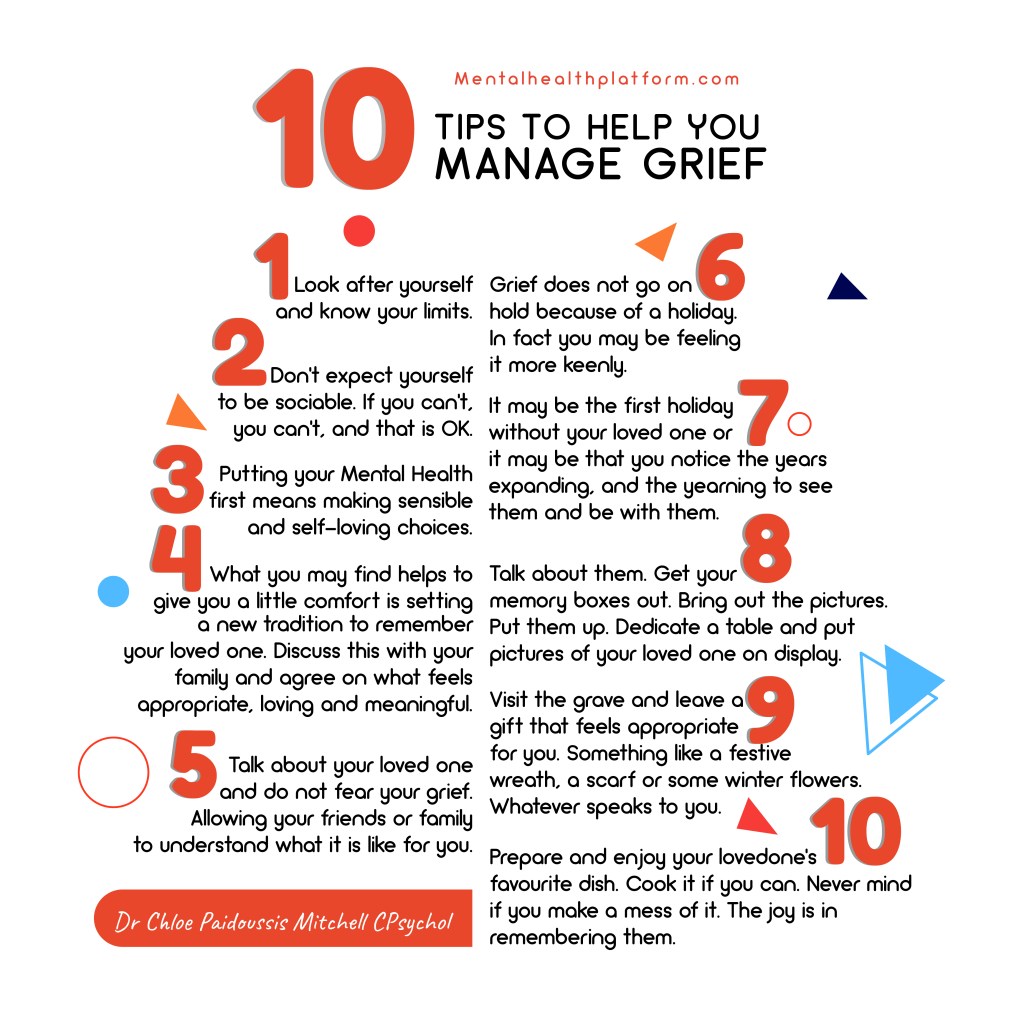
Maintaining physical fitness plays a crucial role in managing grief and loss as it can help improve mental well-being by releasing endorphins, reducing stress, and increasing overall energy levels. Engaging in regular exercise can also provide a healthy outlet for emotions and distractions from negative thoughts.
Examples of Exercises
- Cardiovascular exercises such as running, cycling, or swimming can help elevate mood and reduce symptoms of anxiety and depression.
- Strength training exercises like weightlifting or bodyweight exercises can enhance self-esteem and boost confidence levels.
- Yoga and Pilates are great for promoting relaxation, flexibility, and mindfulness, which can aid in managing emotional challenges.
Benefits of Regular Exercise
- Improves mood by releasing endorphins, the body’s natural feel-good chemicals.
- Reduces stress levels and helps in coping with grief and loss by providing a healthy distraction.
- Boosts self-esteem and confidence, leading to a more positive outlook on life.
- Increases energy levels and promotes better sleep, which is essential for emotional well-being.
Adequate Hydration
Staying hydrated is crucial for maintaining mental wellness, especially during challenging times like grief and loss. Dehydration can exacerbate emotional distress and impact cognitive functions, making it essential to prioritize adequate hydration.
Importance of Hydration for Mental Wellness
Hydration plays a vital role in regulating mood, concentration, and overall cognitive function. During moments of grief and loss, the emotional toll can lead to increased stress levels, making it even more critical to stay hydrated to support mental well-being.
Impact of Dehydration on Emotional Health
- Dehydration can worsen symptoms of anxiety and depression, intensifying feelings of sadness and hopelessness.
- It can also impair cognitive abilities, such as memory and decision-making, leading to additional emotional strain.
- Physical symptoms of dehydration, like fatigue and dizziness, can further contribute to emotional instability during the grieving process.
Tips for Ensuring Adequate Hydration
- Carry a reusable water bottle with you throughout the day to remind yourself to drink water regularly.
- Set hydration goals and track your water intake to ensure you are meeting your daily requirements.
- Incorporate hydrating foods into your diet, such as fruits and vegetables with high water content.
- Avoid excessive consumption of caffeinated or alcoholic beverages, as they can contribute to dehydration.
- Listen to your body’s signals of thirst and prioritize drinking water, especially when experiencing heightened emotions.
Stress Management
When coping with grief, managing stress is crucial for maintaining mental wellness. The relationship between stress management and grief lies in the fact that high levels of stress can exacerbate feelings of grief and make the healing process more challenging.
By implementing effective stress management techniques, individuals can navigate through the grieving process with more resilience and emotional stability.
Techniques for Reducing Stress Levels
- Engage in regular physical activity: Exercise releases endorphins, which are natural mood lifters and stress relievers.
- Practice deep breathing exercises: Deep breathing can help calm the mind and reduce anxiety levels.
- Connect with loved ones: Talking to friends and family members for emotional support can alleviate stress.
- Journaling: Writing down thoughts and feelings can help process emotions and reduce stress.
Strategies for Practicing Mindfulness and Relaxation
- Practice meditation: Mindfulness meditation can help focus the mind and promote relaxation.
- Progressive muscle relaxation: Tense and relax different muscle groups to release physical tension.
- Yoga: Combining movement with breath can help reduce stress and promote relaxation.
- Visualize a peaceful place: Imagining a calming environment can help reduce stress and anxiety.
Proper Nutrition
Proper nutrition plays a crucial role in supporting mental wellness, especially during times of grief and loss. The food we consume can have a direct impact on our emotional health and overall well-being.
Role of Vitamins and Minerals
Vitamins and minerals are essential for promoting emotional health and stability. For example, vitamin B complex is known to support the nervous system and help regulate mood. Minerals like magnesium can also play a role in reducing anxiety and stress levels.
Ensuring an adequate intake of these nutrients through a balanced diet can help in managing emotions during difficult times.
Tips for Maintaining a Healthy Diet
- Aim for a variety of whole foods such as fruits, vegetables, whole grains, lean proteins, and healthy fats to ensure you are getting a wide range of nutrients.
- Avoid processed and sugary foods, as they can lead to energy crashes and mood swings.
- Stay hydrated by drinking plenty of water throughout the day, as dehydration can affect mood and cognitive function.
- Include foods rich in omega-3 fatty acids, such as salmon, walnuts, and flaxseeds, which are known to support brain health and reduce inflammation.
- Practice mindful eating by paying attention to your hunger cues and eating slowly to fully enjoy and digest your meals.
Quality Sleep
Quality sleep plays a crucial role in mental wellness, especially when coping with grief and loss. It is during sleep that our bodies and minds have the opportunity to rest, recharge, and process emotions in a healthy way.
Importance of Quality Sleep
Quality sleep is essential for maintaining emotional balance during times of grief. When dealing with loss, emotions can be overwhelming, leading to increased stress and anxiety. Lack of sleep can exacerbate these feelings, making it harder to cope with the situation.
- Quality sleep allows the brain to consolidate memories and process emotions, helping individuals better understand and come to terms with their grief.
- During deep sleep, the body releases hormones that regulate mood and stress levels, contributing to overall emotional well-being.
- Improving sleep quality can lead to improved clarity of thought, better decision-making, and enhanced coping mechanisms for dealing with grief and loss.
Strategies for Improving Sleep Quality
There are several strategies that can help improve sleep quality and support mental wellness during times of grief and loss.
- Establish a consistent bedtime routine to signal to your body that it is time to wind down and prepare for sleep.
- Avoid stimulants like caffeine and electronic devices before bedtime, as they can disrupt sleep patterns.
- Create a comfortable sleep environment that is conducive to relaxation, such as a cool, dark, and quiet room.
- Practice relaxation techniques like deep breathing, meditation, or gentle yoga before bed to help calm the mind and body.
- If sleep disturbances persist, consider seeking support from a healthcare professional or therapist to address any underlying issues impacting sleep quality.
Cardio Health
Regular cardiovascular exercise plays a crucial role in promoting mental well-being, especially during times of grief. Engaging in cardio activities can have numerous benefits for emotional health and can help alleviate symptoms of sadness and depression.
Benefits of Cardiovascular Exercise for Mental Well-Being
Cardiovascular exercise, such as running, cycling, swimming, or aerobics, can help release endorphins, also known as “feel-good” hormones, in the brain. These endorphins can help improve mood, reduce feelings of anxiety and stress, and enhance overall mental well-being. Additionally, cardio exercise can increase blood flow to the brain, promoting better cognitive function and mental clarity.
Examples of Cardio Exercises for Emotional Health
- Running or jogging: Running at a moderate pace can be a great way to release pent-up emotions and boost your mood.
- Cycling: Riding a bike outdoors or using a stationary bike indoors can help clear your mind and improve emotional resilience.
- Dancing: Engaging in dance-based cardio workouts can be a fun and expressive way to lift your spirits and reduce feelings of sadness.
- Swimming: Swimming is a low-impact cardio exercise that can provide a sense of relaxation and calm while improving overall emotional well-being.
Immune Boost
When dealing with grief and loss, it is essential to address the connection between immune health and mental wellness. The immune system plays a crucial role in supporting overall well-being during difficult times, as it can impact our emotional and mental state.
Strategies for Immune Boosting, How to cope with grief and loss for mental wellness
- Consume a balanced diet rich in fruits, vegetables, whole grains, and lean proteins to provide essential nutrients for immune function.
- Engage in regular physical activity to boost circulation and enhance immune response.
- Practice stress management techniques such as meditation, deep breathing, or yoga to reduce cortisol levels that can weaken the immune system.
- Get adequate sunlight exposure for vitamin D production, which is essential for immune health.
- Stay hydrated by drinking plenty of water throughout the day to support immune function.
- Avoid excessive alcohol consumption and smoking, as these habits can weaken the immune system.
- Consider incorporating immune-boosting supplements like vitamin C, zinc, and echinacea under the guidance of a healthcare professional.
Positive Mindset
Maintaining a positive mindset during the grieving process is crucial for mental wellness. It can help individuals navigate through the emotional turmoil of loss and find a sense of hope and resilience amidst the pain. A positive outlook enables individuals to cope with grief in a healthier way, reducing the risk of falling into prolonged periods of sadness and depression.
Importance of a Positive Mindset
Having a positive mindset can impact mental wellness significantly when dealing with loss. It allows individuals to focus on the good memories shared with the departed loved one, rather than solely dwelling on the pain of their absence. This shift in perspective can bring comfort and peace, fostering emotional healing and acceptance.
Tips for Cultivating a Positive Mindset
- Acknowledge your feelings: Allow yourself to experience and process your emotions without judgment. This honesty with yourself is the first step towards cultivating a positive mindset.
- Practice gratitude: Regularly take time to appreciate the positive aspects of your life, no matter how small they may seem. Gratitude helps shift your focus from loss to abundance.
- Surround yourself with support: Lean on friends, family, or a support group for encouragement and comfort. Their presence can uplift your spirits and remind you that you are not alone in your grief.
- Engage in self-care activities: Prioritize activities that bring you joy and relaxation, whether it’s reading a book, going for a walk, or practicing mindfulness. Taking care of yourself physically and emotionally is essential for maintaining a positive mindset.
- Seek professional help if needed: If you find it challenging to maintain a positive outlook or cope with your grief, consider seeking therapy or counseling. A mental health professional can provide you with tools and strategies to navigate through this difficult time.
Clean Eating
When coping with grief and loss, incorporating clean eating habits can significantly benefit your mental health. Clean eating involves consuming whole, unprocessed foods that are rich in nutrients and free from artificial additives.
Benefits of Clean Eating for Mental Health
Clean eating can support emotional well-being by providing essential nutrients that help regulate mood and reduce stress. By fueling your body with wholesome foods, you can enhance your mental clarity, improve cognitive function, and boost overall emotional resilience.
Avoiding Processed Foods for Emotional Well-being
Avoiding processed foods is crucial for maintaining emotional well-being while coping with grief. Processed foods often contain high levels of sugar, unhealthy fats, and additives that can negatively impact mood and increase feelings of anxiety and depression. By choosing whole foods instead, you can promote a more stable emotional state and better cope with the challenges of grief and loss.
Examples of Clean Eating Habits to Aid in Managing Grief and Loss
- Load up on fruits and vegetables: Incorporate a variety of colorful fruits and vegetables into your meals to ensure you’re getting a wide range of nutrients that support mental well-being.
- Choose lean proteins: Opt for lean sources of protein such as chicken, fish, tofu, and legumes to support brain function and stabilize mood.
- Avoid added sugars: Minimize your intake of added sugars by opting for natural sweeteners like honey or maple syrup, and avoiding sugary snacks and beverages.
- Include whole grains: Choose whole grains like quinoa, brown rice, and oats to provide sustained energy levels and support serotonin production for improved mood.
- Stay hydrated: Drink plenty of water throughout the day to support overall brain function and maintain mental clarity during challenging times.
Daily Activity
Engaging in daily activities is crucial for maintaining mental wellness, especially during times of grief. These activities can help individuals cope with their emotions, reduce feelings of isolation, and promote overall well-being.
Significance of Daily Activities
- Participating in daily activities can provide a sense of routine and structure, which can be comforting during times of grief.
- Staying active helps distract the mind from negative thoughts and emotions, reducing feelings of sadness and despair.
- Engaging in activities outside the home can also help individuals connect with others and combat feelings of loneliness.
Ideas for Daily Activities
- Take a daily walk or engage in light exercise to boost mood and energy levels.
- Join a support group or participate in group activities to connect with others who may be going through similar experiences.
- Volunteer for a cause you care about to feel a sense of purpose and fulfillment.
- Engage in creative activities such as painting, writing, or crafting to express emotions and reduce stress.
- Schedule regular outings or social gatherings with friends and family to maintain social connections and receive support.
Holistic Health
When it comes to coping with grief and loss, holistic health takes into account the interconnectedness of emotional, physical, and spiritual well-being. It focuses on treating the whole person rather than just specific symptoms or areas of concern.
Emotional Healing
Holistic approaches to emotional healing may include therapy, support groups, journaling, and creative outlets such as art or music. These practices help individuals process their emotions, express themselves, and find inner peace during difficult times.
Physical Well-being
For physical well-being, holistic practices like yoga, tai chi, and massage therapy can help release tension, improve circulation, and promote relaxation. Engaging in regular physical activity can also boost mood and energy levels, supporting overall health while grieving.
Spiritual Connection
Connecting with one’s spirituality through meditation, prayer, or spending time in nature can provide comfort, solace, and a sense of purpose. Cultivating a spiritual practice can offer guidance, strength, and a deeper understanding of life’s challenges.
Mindful Living
Mindful living is a powerful tool for promoting mental wellness, especially during the grieving process. By cultivating mindfulness practices, individuals can better manage their emotions, reduce stress, and find a sense of peace amidst the turmoil of loss.
Benefits of Mindful Living for Mental Wellness
Practicing mindfulness can help individuals acknowledge and accept their emotions without judgment, allowing them to navigate the complex feelings that arise during grief. By staying present in the moment, individuals can cultivate a sense of calm and resilience in the face of loss, promoting overall mental well-being.
Managing Emotions and Reducing Stress
- Use deep breathing exercises to center yourself and bring focus back to the present moment.
- Engage in meditation practices to quiet the mind and create space for processing emotions.
- Practice body scan techniques to check in with physical sensations and release tension from grief-related stress.
Incorporating Mindfulness into Daily Life
- Start your day with a few minutes of mindful breathing to set a positive tone for the day.
- Take short mindfulness breaks throughout the day to check in with your emotions and refocus your energy.
- Engage in mindful activities such as walking, eating, or even washing dishes with full awareness and presence.
Health Education: How To Cope With Grief And Loss For Mental Wellness
Health education plays a crucial role in supporting mental wellness during times of loss by providing individuals with the knowledge and tools to understand and navigate the complex emotions that come with grief. By educating individuals on the impact of loss on mental health, they can learn coping mechanisms and strategies to help them heal and move forward.
Role of Health Education in Supporting Mental Wellness
Health education equips individuals with the resources and information needed to recognize and address the emotional challenges that arise from grief and loss. By understanding the stages of grief and the effects on mental health, individuals can better cope with their emotions and seek appropriate support.
- Health education provides guidance on effective coping mechanisms such as seeking therapy, joining support groups, and practicing self-care activities.
- It empowers individuals to communicate their feelings and emotions, fostering a sense of connection and understanding with others who may be experiencing similar challenges.
- By promoting mental wellness through education, individuals can develop resilience and strength to navigate the healing process and eventually find peace.
Understanding Grief and Mental Health for Healing
Understanding the relationship between grief and mental health is essential for the healing process, as it enables individuals to recognize and address their emotional needs effectively. Health education plays a vital role in providing insights into how grief impacts mental well-being and the importance of seeking help when needed.
“Education is the most powerful weapon which you can use to change the world.”
Nelson Mandela
- By educating individuals on the symptoms of grief-related mental health issues, such as depression and anxiety, they can take proactive steps to manage their emotional well-being.
- Health education can also shed light on the importance of self-care practices, such as mindfulness, exercise, and healthy eating, in promoting mental wellness during times of loss.
- Understanding the link between grief and mental health can aid individuals in developing healthy coping mechanisms and seeking professional help when necessary.
Resources for Health Education on Coping with Grief and Loss
There are various resources available to assist individuals in coping with grief and loss through health education. These resources offer valuable information, support, and guidance to help individuals navigate the challenges of grief and prioritize their mental wellness.
| 1. Grief Counseling Services |
| 2. Online Support Groups |
| 3. Mental Health Hotlines |
| 4. Educational Websites and Articles |
| 5. Self-Help Books on Grief and Healing |
Self-Care
Self-care plays a crucial role in maintaining mental wellness, especially during times of grief and loss. It involves taking intentional actions to nurture and prioritize your own well-being, both physically and emotionally.
Importance of Self-Care
Self-care practices are essential for individuals grieving as they help in managing emotional challenges effectively. By engaging in self-care routines, individuals can create a safe space for themselves to process their feelings, reduce stress, and promote healing. It allows them to focus on self-nurturing activities that bring comfort and solace during difficult times.
Self-Care Tips and Activities
- Practice mindfulness and meditation to center yourself and relieve stress.
- Engage in activities that bring you joy and relaxation, such as reading, painting, or gardening.
- Ensure you are getting enough rest and quality sleep to rejuvenate your mind and body.
- Connect with supportive friends and family members who can provide comfort and understanding.
- Set boundaries and prioritize self-care activities to avoid burnout and overwhelm.
- Take time for physical exercise to boost endorphins and improve overall well-being.
- Seek professional help or therapy if needed to process complex emotions and grief.
Chronic Disease
Grief and loss can have a significant impact on the management of chronic diseases. The emotional stress that comes with experiencing a loss can exacerbate symptoms and complications of chronic conditions, making it more challenging to control the disease effectively.
Impact on Chronic Disease Management
- Grief can lead to increased inflammation in the body, which can worsen conditions such as arthritis, diabetes, and heart disease.
- The stress and emotional turmoil of grief can interfere with medication adherence and treatment plans for chronic illnesses.
- Loss of a loved one can trigger unhealthy coping mechanisms like overeating, substance abuse, or neglecting self-care, which can further deteriorate health in individuals with chronic diseases.
Coping Strategies for Individuals with Chronic Diseases
- Seeking support from healthcare professionals, counselors, or support groups to address the emotional impact of grief and loss while managing chronic conditions.
- Engaging in relaxation techniques such as meditation, deep breathing exercises, or yoga to reduce stress and promote emotional well-being.
- Establishing a routine that includes regular physical activity, healthy eating habits, and sufficient rest to support overall health and manage chronic disease symptoms.
Outcome Summary
As we conclude this insightful journey into strategies for coping with grief and loss, it becomes evident that prioritizing mental wellness is a crucial step towards healing and finding peace amidst turmoil.
FAQ Compilation
How can diet impact mental wellness during grief and loss?
A balanced diet rich in nutrients can support emotional well-being and help individuals cope with difficult times.
Why is maintaining a positive mindset important when dealing with grief?
A positive outlook can play a significant role in promoting mental wellness and emotional balance during the grieving process.
What exercises are beneficial for improving mental well-being while coping with loss?
Engaging in cardiovascular activities and daily physical fitness routines can help alleviate symptoms of sadness and depression.


