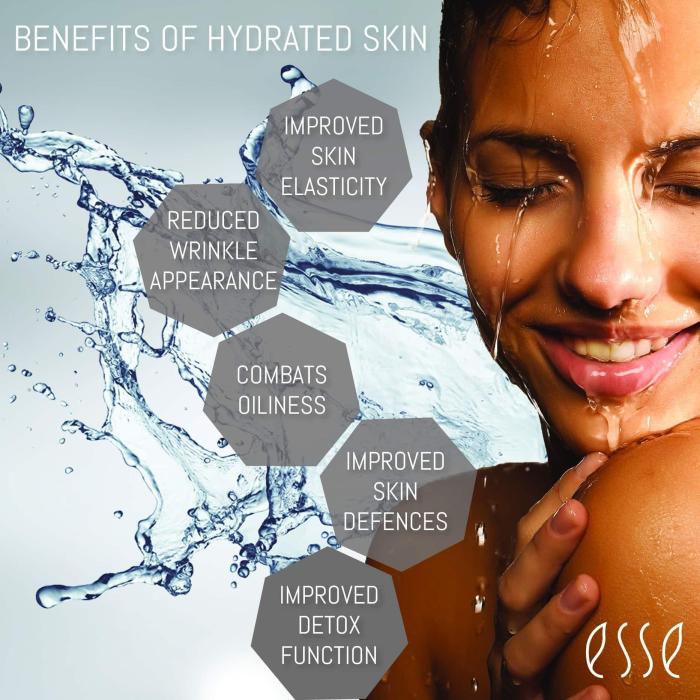
Beginning with the Importance of adequate hydration for skin health, this topic delves into the crucial role hydration plays in achieving and maintaining healthy skin. Explore how dehydration affects the skin, the benefits of sufficient water intake, and the impact of hydration on skin elasticity and overall appearance.
Continuing on, we’ll uncover the significance of a balanced diet, mental wellness, physical fitness, healthy lifestyle choices, preventive care measures, quality sleep, cardiovascular health, immune system support, clean eating habits, stress management techniques, holistic health approaches, self-care routines, and managing skin conditions related to chronic diseases.
Importance of Adequate Hydration for Skin Health
Maintaining proper hydration is crucial for achieving and maintaining healthy skin. When the skin is well-hydrated, it functions optimally and looks radiant. Dehydration, on the other hand, can lead to a variety of skin issues.
Role of Hydration in Skin Health
Proper hydration plays a vital role in maintaining the skin’s barrier function. When the skin is well-hydrated, it can better protect itself from environmental stressors, pollutants, and irritants. Hydration also helps in the natural shedding process of skin cells, promoting a smoother and more even skin tone.
Effects of Dehydration on Skin, Importance of adequate hydration for skin health
Dehydration can result in a variety of skin problems such as dryness, tightness, flakiness, and dullness. In severe cases, it can even lead to issues like eczema, psoriasis, and premature aging. Lack of hydration can make the skin more prone to wrinkling and sagging, affecting its overall appearance.
Benefits of Drinking Enough Water
Drinking an adequate amount of water is essential for maintaining skin hydration. Water helps to flush out toxins from the body, keeping the skin clear and blemish-free. It also helps to improve circulation, delivering essential nutrients to the skin cells for a healthy glow.
Impact of Hydration on Skin Elasticity
Proper hydration is essential for maintaining the skin’s elasticity. When the skin is well-hydrated, it appears plump and firm, reducing the appearance of fine lines and wrinkles. Hydration also helps to support the skin’s natural collagen production, keeping it looking youthful and supple.
Balanced Diet
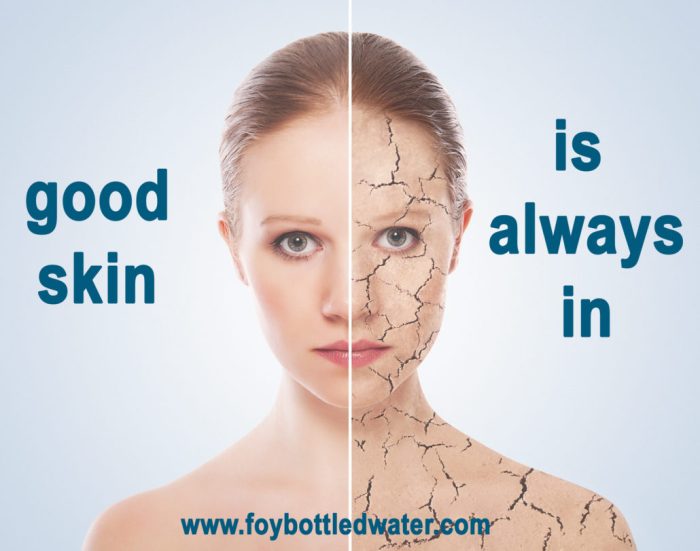
Maintaining a balanced diet is essential for overall health, including the health of your skin. The nutrients we consume through our diet play a significant role in nourishing and protecting our skin from damage and aging.
Nutrient-Rich Foods for Healthy Skin
Eating a variety of nutrient-rich foods can help promote healthy skin. Some examples include:
- Fatty fish like salmon, which is rich in omega-3 fatty acids that help keep skin hydrated and reduce inflammation.
- Avocados, high in healthy fats and vitamin E, which can protect the skin from oxidative damage.
- Sweet potatoes, packed with beta-carotene that can act as a natural sunblock and improve skin tone.
- Walnuts, a good source of essential fatty acids that help maintain healthy skin cell membranes.
Diet and Skin Conditions
The relationship between diet and skin conditions like acne or dryness is well-documented. Consuming a diet high in processed foods, sugars, and unhealthy fats can contribute to skin issues. On the other hand, a diet rich in fruits, vegetables, whole grains, and lean proteins can help improve skin health and reduce the risk of skin problems.
Importance of Vitamins and Minerals
Vitamins and minerals are crucial for skin nourishment. For example:
- Vitamin C helps in collagen production and protects the skin from sun damage.
- Vitamin E acts as an antioxidant, protecting skin cells from damage and promoting skin repair.
- Zinc plays a role in wound healing and can help reduce inflammation in skin conditions like acne.
Mental Wellness
Maintaining good mental wellness is essential for overall skin health. The connection between our mental state and skin conditions is significant, as stress and anxiety can have a direct impact on the appearance and health of our skin.
Impact of Stress and Anxiety on Skin Conditions
Stress and anxiety can trigger various skin issues such as acne, eczema, psoriasis, and even premature aging. When we are stressed, our body releases cortisol, a hormone that can lead to inflammation and breakouts on the skin. Additionally, stress can disrupt the skin’s natural barrier function, making it more susceptible to irritants and pollutants.
Strategies for Managing Stress
- Engage in regular physical activity, such as yoga or meditation, to reduce stress levels.
- Practice deep breathing exercises to calm the mind and body.
- Ensure an adequate amount of sleep to promote overall well-being and skin health.
- Seek support from friends, family, or a mental health professional if stress becomes overwhelming.
Benefits of a Positive Mindset on Skin Appearance
Having a positive mindset can significantly improve the overall appearance of the skin. When we are happy and content, our body releases endorphins, which can help reduce inflammation and promote a healthy skin tone. Additionally, positive emotions can enhance the skin’s natural glow and radiance, giving it a more youthful and vibrant look.
Physical Fitness
Regular physical fitness plays a crucial role in maintaining healthy skin. Exercise not only helps in improving overall health but also has a positive impact on skin health by promoting better circulation and reducing stress levels.
Effects of Exercise on Skin Tone and Texture
Regular exercise increases blood flow, which helps nourish skin cells and keep them healthy. This improved circulation also helps carry away waste products, including free radicals, from the skin. As a result, exercise can contribute to a more radiant complexion and smoother skin texture.
- Cardiovascular exercises like running, biking, or swimming can help increase blood flow and oxygen to the skin, promoting a healthy glow.
- Strength training exercises like weight lifting or resistance training can improve muscle tone, which can help support the skin and reduce the appearance of sagging.
- Yoga and Pilates are great for reducing stress levels, which can have a positive impact on skin health by reducing inflammation and breakouts.
Importance of Regular Physical Activity for Skin Rejuvenation
Regular physical activity is essential for skin rejuvenation as it helps in flushing out toxins through sweat, promoting collagen production, and improving skin elasticity. Additionally, exercise can help reduce signs of aging by increasing skin cell turnover and promoting a more youthful appearance.
- Engaging in at least 30 minutes of moderate exercise most days of the week can have significant benefits for skin health and overall well-being.
- Combining different types of exercises, including cardiovascular, strength training, and flexibility exercises, can provide a holistic approach to skin rejuvenation.
Healthy Lifestyle
Adopting a healthy lifestyle plays a crucial role in maintaining optimal skin health. By incorporating healthy habits into daily routines, individuals can achieve glowing and radiant skin.
Impact of Smoking and Excessive Alcohol Consumption
Smoking and excessive alcohol consumption can have detrimental effects on the skin. These habits can lead to premature aging, dehydration, and a dull complexion. Furthermore, they can aggravate skin conditions such as acne and rosacea.
Tips for Healthy Habits
- Avoid smoking and limit alcohol consumption to maintain skin health.
- Stay hydrated by drinking an adequate amount of water daily.
- Eat a balanced diet rich in fruits, vegetables, and lean proteins to nourish the skin from within.
- Get regular exercise to improve blood circulation and promote a healthy complexion.
- Practice stress-reducing techniques such as meditation or yoga to prevent skin issues triggered by stress.
Importance of Skincare Routines
Skincare routines are essential for maintaining a healthy lifestyle. Cleansing, moisturizing, and protecting the skin from UV damage are vital steps in preserving skin health. By following a consistent skincare regimen, individuals can prevent skin issues and promote overall well-being.
Preventive Care
Preventive care plays a crucial role in maintaining skin health and preventing various skin issues. By taking proactive measures, individuals can protect their skin from damage and maintain a youthful appearance.
Role of Sunscreen
Sunscreen is a key preventive measure in protecting the skin from harmful UV rays, which can cause sunburn, premature aging, and increase the risk of skin cancer. Applying sunscreen with a high SPF daily helps to shield the skin and reduce the damage caused by UV exposure.
Preventive Measures for Anti-Aging
- Avoiding excessive sun exposure and tanning beds to minimize UV damage.
- Maintaining a healthy diet rich in antioxidants to combat free radicals that contribute to aging.
- Using skincare products with ingredients like retinol and vitamin C to promote collagen production and reduce wrinkles.
- Staying hydrated to keep the skin plump and supple, reducing the appearance of fine lines and wrinkles.
Benefits of Skin Check-ups
Regular skin check-ups with a dermatologist are essential for early detection of skin issues, such as skin cancer, moles, and other abnormalities. Early diagnosis can lead to timely treatment and better outcomes for skin health.
Quality Sleep
Quality sleep plays a crucial role in maintaining healthy skin. Adequate rest allows the body to repair and regenerate skin cells, leading to a glowing complexion and overall skin health.
Effects of Lack of Sleep on Skin Conditions
Lack of sleep can have detrimental effects on the skin, such as:
- Increased inflammation and redness
- Accelerated aging process
- Impaired skin barrier function
- Dark under-eye circles and puffiness
Tips for Improving Sleep Quality for Better Skin Rejuvenation
To improve sleep quality and promote skin rejuvenation, consider the following tips:
- Establish a consistent sleep schedule
- Create a relaxing bedtime routine
- Avoid stimulants like caffeine close to bedtime
- Ensure your sleep environment is comfortable and conducive to rest
- Limit screen time before bed to promote melatonin production
Connection Between Sleep Patterns and Skin Elasticity
Quality sleep is essential for maintaining skin elasticity, which is crucial for a youthful appearance. Poor sleep patterns can lead to a decrease in collagen production, resulting in sagging and wrinkles. By prioritizing quality sleep, you can support skin elasticity and overall skin health.
Cardio Health
Cardiovascular health plays a crucial role in the overall well-being of our skin. The condition of our heart and blood vessels directly impacts the skin’s appearance and health. Engaging in regular cardio exercises can significantly improve skin tone, texture, and overall glow by promoting better blood circulation and oxygenation.
Impact of Cardiovascular Health on Skin Condition
Cardiovascular health influences skin condition by affecting blood flow, nutrient delivery, and waste removal processes in the skin. Poor cardiovascular health can lead to dull, dry skin, while a healthy heart and strong circulation can result in a radiant, youthful complexion.
Benefits of Cardio Activities for Skin Health
- Running: Running increases blood flow and oxygen delivery to the skin, promoting a healthy glow and improved skin tone.
- Cycling: Cycling helps enhance circulation, which can reduce the appearance of skin blemishes and support overall skin health.
- Dancing: Engaging in dance workouts can improve cardiovascular fitness, leading to better skin radiance and elasticity.
Relationship Between Blood Circulation and Skin Glow
Improved blood circulation from cardiovascular exercises helps deliver essential nutrients and oxygen to the skin cells, promoting a natural glow and healthy complexion. Adequate blood flow also aids in the removal of toxins and waste products, contributing to clearer and more vibrant skin.
Immune Boost
Maintaining a strong immune system is crucial for overall health, including the health of our skin. A robust immune system helps the skin fight off infections and promotes faster healing.
Connection Between Immunity and Skin Health
Our skin acts as a barrier against harmful pathogens that can cause infections. A well-functioning immune system helps in detecting and eliminating these pathogens, preventing skin issues such as acne, eczema, and dermatitis.
- Regular consumption of immune-boosting foods like citrus fruits, berries, leafy greens, and nuts can provide essential vitamins and antioxidants that support skin health.
- Probiotics found in yogurt and fermented foods can also help strengthen the immune system and improve gut health, which is closely linked to skin health.
- Adequate hydration is key in supporting the immune system and maintaining skin moisture, elasticity, and overall health.
Importance of Overall Immune Health for Skin Rejuvenation
Ensuring overall immune health is essential for skin rejuvenation and preventing premature aging. A compromised immune system can lead to inflammation, oxidative stress, and a weakened defense against environmental factors that can damage the skin.
- Regular exercise, quality sleep, stress management, and a balanced diet are essential for boosting immune function and promoting skin rejuvenation.
- Protecting the skin from harmful UV rays and maintaining a skincare routine that includes gentle cleansing, moisturizing, and sunscreen application can further support skin health and immune function.
- Consulting with a healthcare professional or dermatologist can help address any concerns about skin health and immunity, ensuring a holistic approach to overall well-being.
Clean Eating
Eating clean is not only beneficial for overall health but also plays a significant role in improving skin health. By focusing on fresh, whole foods and avoiding processed items, you can provide your skin with the nourishment it needs to maintain a healthy glow.
Impact of Processed Foods on Skin Conditions
Processed foods are often high in refined sugars, unhealthy fats, and artificial ingredients that can trigger inflammation in the body, leading to various skin issues such as acne, eczema, and premature aging. These foods lack essential nutrients that are vital for skin health and can contribute to a dull complexion.
Examples of Clean Eating Recipes for Glowing Skin
- Green smoothie bowl: Blend spinach, kale, banana, and almond milk for a nutrient-packed breakfast option rich in antioxidants.
- Quinoa salad with mixed veggies: Combine cooked quinoa with colorful vegetables like bell peppers, cherry tomatoes, and cucumbers for a refreshing and skin-nourishing meal.
- Baked salmon with roasted sweet potatoes and asparagus: This dish provides omega-3 fatty acids from the salmon, along with vitamins and minerals from the vegetables, promoting skin elasticity and hydration.
Benefits of a Diet Rich in Fruits, Vegetables, and Whole Grains for Skin Nourishment
Eating a diet abundant in fruits, vegetables, and whole grains ensures that your skin receives essential vitamins, minerals, and antioxidants that promote collagen production, skin repair, and protection against environmental damage. These foods also help maintain skin hydration, elasticity, and overall health.
Stress Management
Managing stress is crucial for maintaining healthy skin as it can directly impact its appearance and condition.
Impact of Stress Hormones on Skin Conditions
Stress hormones like cortisol can lead to increased oil production, inflammation, and breakouts on the skin.
Excessive stress can trigger flare-ups of conditions like acne, eczema, and psoriasis.
Tips for Reducing Stress Levels
- Practice relaxation techniques such as deep breathing, meditation, or yoga to calm the mind and body.
- Engage in regular physical exercise to release endorphins and reduce stress levels.
- Ensure an adequate amount of sleep to help the body recover and cope with daily stressors.
- Connect with loved ones, talk about your feelings, and seek support when needed.
Connection Between Relaxation Techniques and Skin Rejuvenation
Relaxation techniques can promote skin rejuvenation by reducing stress levels, improving blood circulation, and enhancing skin cell regeneration.
Holistic Health
Holistic health takes into consideration the interconnectedness of the mind, body, and spirit in promoting overall well-being, including skin health. By addressing all aspects of health, a holistic approach can benefit the skin by improving its appearance and function.
Mind-Body Connection and Skin Conditions
The mind-body connection plays a significant role in the development and management of skin conditions. Stress, anxiety, and other emotional factors can exacerbate skin issues such as acne, eczema, and psoriasis. By practicing stress-reducing techniques and promoting mental wellness, individuals can improve their skin health.
- Engage in mindfulness meditation to reduce stress levels and promote skin rejuvenation.
- Practice deep breathing exercises to calm the mind and reduce inflammation in the skin.
- Participate in yoga to improve circulation and promote detoxification, leading to clearer skin.
Importance of Balance for Healthy Skin
Achieving balance in physical, mental, and emotional well-being is crucial for maintaining healthy skin. Imbalances in any of these areas can manifest as skin issues, indicating the need for a holistic approach to health and skincare.
- Ensure a balanced diet rich in nutrients to support skin regeneration and repair.
- Get regular exercise to improve blood flow and oxygen delivery to the skin cells.
- Prioritize quality sleep to allow the skin to undergo repair and renewal processes.
Self-Care
Self-care plays a crucial role in maintaining skin health by nurturing not just the physical aspects but also the mental and emotional well-being of an individual. When we prioritize self-care, we are investing in our overall health, which inevitably reflects on our skin.
Benefits of Self-Care Routines for Skin Rejuvenation
- Enhances skin elasticity and hydration levels.
- Reduces stress levels, which can lead to fewer breakouts and skin issues.
- Promotes better sleep quality, allowing the skin to repair and regenerate during the night.
- Boosts self-confidence and self-esteem, which positively impacts skin appearance.
Examples of Self-Care Practices for Healthy Skin
- Establishing a consistent skincare routine with products suitable for your skin type.
- Engaging in regular physical activity to improve blood circulation and promote a healthy glow.
- Practicing mindfulness techniques such as meditation or deep breathing to reduce stress levels.
- Ensuring adequate hydration by drinking plenty of water throughout the day.
Importance of Taking Time for Oneself in Improving Skin Appearance
Self-care is not just a luxury but a necessity when it comes to achieving and maintaining healthy skin. By carving out time for ourselves amidst our busy schedules, we are giving our skin the care and attention it deserves, leading to a radiant and youthful complexion.
Chronic Disease: Importance Of Adequate Hydration For Skin Health
Chronic diseases can have a significant impact on skin health due to their effects on the body’s overall well-being. Conditions like diabetes and autoimmune disorders can lead to various skin issues, affecting both the appearance and function of the skin.
Impact of Chronic Diseases on Skin Health
Chronic diseases can disrupt the body’s normal functions, leading to skin problems such as dryness, itchiness, rashes, and slow wound healing. These issues can be exacerbated by the underlying health condition and may require specialized care to manage effectively.
- Individuals with diabetes may experience skin complications like diabetic dermopathy, necrobiosis lipoidica, or diabetic blisters. Proper blood sugar control and regular skincare routines are crucial to prevent and manage these conditions.
- Autoimmune disorders like lupus or psoriasis can manifest in skin symptoms such as rashes, lesions, or sensitivity to sunlight. Dermatologists play a key role in developing personalized skincare plans to address these concerns.
Skincare Routines for Individuals with Chronic Illnesses
It is essential for individuals with chronic diseases to follow a tailored skincare routine to manage their skin health effectively. This may include gentle cleansing, moisturizing, sun protection, and avoiding products that can trigger flare-ups or irritation.
- Using fragrance-free and hypoallergenic skincare products can help minimize skin reactions in individuals with autoimmune disorders.
- Regular skin checks and early detection of any changes are crucial for individuals with diabetes to prevent complications like infections or ulcers.
Importance of Holistic Care in Managing Skin Issues
Taking a holistic approach to skincare is vital for individuals with chronic diseases, as it considers the interconnectedness of physical, mental, and emotional well-being. Holistic care focuses on addressing underlying health issues, managing stress, and promoting overall wellness to improve skin health.
Holistic care involves collaboration between healthcare providers, including dermatologists, endocrinologists, and mental health professionals, to develop comprehensive treatment plans for individuals with chronic diseases.
Concluding Remarks
In conclusion, prioritizing adequate hydration is essential for skin health, but it’s just one piece of the puzzle. By embracing a holistic approach that includes a balanced diet, mental wellness practices, physical fitness routines, healthy lifestyle habits, preventive care measures, quality sleep, cardiovascular exercises, immune-boosting foods, clean eating habits, stress management techniques, self-care practices, and managing chronic conditions effectively, you can achieve radiant and healthy skin from the inside out.
Top FAQs
How does hydration impact skin health?
Hydration is crucial for maintaining skin health as it helps in improving elasticity, enhancing overall appearance, and preventing issues like dryness.
What are some examples of immune-boosting foods for healthier skin?
Foods rich in vitamin C (such as citrus fruits), vitamin E (like almonds), and zinc (found in seeds) can help boost the immune system for healthier skin.
Why is stress management important for skin health?
Stress management is vital for skin health as stress hormones can exacerbate skin conditions like acne and lead to premature aging.


